
 EN



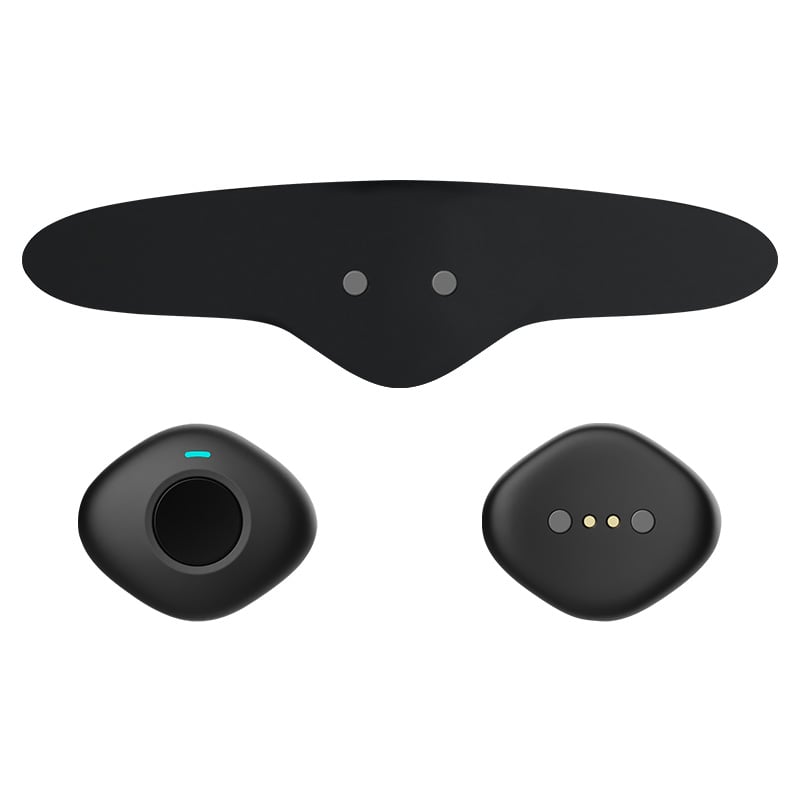
tDCS changes excitability with a current smaller than a flashlight
Transcranial direct current stimulation (tDCS) uses a constant, low amplitude current, usually 1 to 2 mA, passed between two scalp electrodes. The current does not fire neurons directly. It shifts the resting membrane potential. Anodal stimulation typically makes neurons more likely to fire. Cathodal stimulation usually does the opposite. That polarity dependent effect is the core mechanism behind interest in tDCS. The device is simple, portable, and relatively low cost. The biological consequences can be significant.
How weak current produces effects that outlast the session
A single session lasts 10 to 30 minutes. Changes in cortical excitability can persist after the current stops. Early human work by Nitsche and Paulus in 2000 showed that weak direct currents could modulate motor cortex excitability. Later research linked these shifts to mechanisms that resemble long term potentiation and long term depression, including NMDA receptor activity. The effect is not a simple on or off switch. It depends on current density, duration, electrode position, brain state, and individual anatomy. That variability is exactly why tDCS is both promising and difficult to standardize.
| Parameter | Typical range | What it influences |
|---|---|---|
| Current intensity | 1 to 2 mA | Strength of the electric field |
| Session duration | 10 to 30 minutes | Duration of after effects |
| Electrode size | 25 to 35 cm2 | Current density and focus |
| Anode position | Target dependent | Excitability increase |
| Cathode position | Target dependent | Excitability decrease |
Montage and dose decide which brain networks are engaged
Electrode placement, called montage, shapes the current path. A common motor cortex montage places the active electrode over C3 or C4 and the return electrode over the contralateral supraorbital area. A dorsolateral prefrontal montage uses F3 or F4 with a return over the opposite supraorbital region. Moving an electrode a few centimeters changes the electric field. Dose is not just current. It includes duration, electrode size, and number of sessions. Two studies can use the same current and still test different doses. That is one reason results sometimes conflict.
Why tDCS stands out among non-invasive brain stimulation methods
tDCS is not the only non-invasive option. Repetitive transcranial magnetic stimulation can produce stronger focal effects and is cleared for some clinical uses. Deep brain stimulation offers high spatial focus but requires surgery. tDCS is quieter, cheaper, and easier to deploy outside specialized centers. It can be paired with cognitive training or rehabilitation tasks. Outcome depends on task, timing, and patient effort, not only the device.
Evidence, limits, and the problem of blinding
Research on tDCS covers depression, stroke rehabilitation, chronic pain, addiction, and cognitive training. Results are mixed. Some trials show benefit. Others show none. A major challenge is blinding. The tingling or itching at the start of stimulation can reveal whether a person received active or sham treatment. Better sham designs have improved, but expectations still influence outcomes. tDCS is not a guaranteed treatment for any condition. It should be studied and used within appropriate clinical or research frameworks. tDCS is a powerful research tool with selected clinical potential, not a universal cure.
Safety, skin effects, and realistic use
At standard parameters, tDCS is generally well tolerated. Common side effects include itching, tingling, redness, and mild headache. Skin burns can occur with poor electrode contact, high current density, or repeated sessions at the same site. Consensus guidance recommends limits on current, duration, and electrode size. People with implanted electronic devices, skull defects, or certain skin conditions should consult a qualified clinician. Home use devices exist, but unsupervised use raises questions about dose control and electrode placement. Convenience should not replace proper training.
At a rehabilitation clinic in northern Europe, tDCS was tested before gait training for stroke patients. The first protocol placed the anode over the affected motor cortex. Some patients showed better movement during training, but others did not. Data review showed electrode placement relative to the lesion and stimulation timing mattered more than current intensity. Adjusting the montage and starting stimulation before the task changed the response in a subset of patients. The lesson was not that tDCS works for everyone, but that dose and timing are not afterthoughts.
SUNMAS has developed TENS, EMS, and neurostimulation products since 2003. The company combines an engineering team, quality systems certified to ISO 13485 and MDSAP, and automated production capacity. For partners exploring tDCS concepts, that experience supports reliable manufacturing and consistent output. tDCS is considered a breakthrough because it makes controlled brain stimulation accessible. The real progress comes from matching that access with rigorous protocols and honest expectations.
Table of Contents
- tDCS changes excitability with a current smaller than a flashlight
- How weak current produces effects that outlast the session
- Montage and dose decide which brain networks are engaged
- Why tDCS stands out among non-invasive brain stimulation methods
- Evidence, limits, and the problem of blinding
- Safety, skin effects, and realistic use

