1. Page Introduction
Wireless TENS devices are innovative electrotherapy solutions designed to provide convenient, portable, and cable-free pain relief for modern users. Using Transcutaneous Electrical Nerve Stimulation technology, Wireless TENS devices deliver controlled electrical impulses through electrode pads attached directly to the body. These impulses help reduce pain perception, relax muscles, and support physical recovery while allowing users greater freedom of movement during therapy sessions.
Compared with traditional wired electrotherapy units, Wireless TENS devices eliminate the limitations caused by connection cables and external control wires. This wireless structure improves comfort, mobility, and convenience, making Wireless TENS devices highly suitable for daily use at home, in offices, during travel, or while performing light physical activities. The compact and wearable design of Wireless TENS devices has made them one of the fastest-growing categories in the modern pain relief and rehabilitation market.
Wireless TENS devices are commonly used for relieving neck pain, shoulder tension, back discomfort, muscle soreness, sports fatigue, joint stiffness, and menstrual discomfort. As more consumers seek flexible and non-invasive healthcare products, Wireless TENS devices provide an ideal combination of portability, effectiveness, and modern wearable technology.
Modern Wireless TENS devices are designed with rechargeable batteries, Bluetooth connectivity, smartphone app control, multiple therapy modes, and adjustable intensity levels. Some Wireless TENS devices also feature compact patch-style structures that can be discreetly worn under clothing during daily activities. These advanced features allow Wireless TENS devices to deliver a more personalized and user-friendly therapy experience.
In the growing home healthcare and wellness industry, Wireless TENS devices represent the next generation of portable electrotherapy technology. Their lightweight construction, intelligent control systems, and wearable design make Wireless TENS devices highly attractive for both personal wellness users and professional rehabilitation markets.
2. Key Advantages of Wireless TENS Devices
2.1 True Wireless and Cable-Free Convenience
One of the most important advantages of Wireless TENS devices is their cable-free design. Traditional electrotherapy devices often require external wires that may restrict movement or create inconvenience during use. Wireless TENS devices eliminate these limitations by integrating the control system and stimulation modules into compact wearable units.
This wireless structure allows users to move more naturally during therapy sessions. Wireless TENS devices can be comfortably worn while working, relaxing, walking, or traveling, making them highly suitable for modern lifestyles.
The absence of cables also improves the overall appearance and usability of Wireless TENS devices, creating a cleaner and more user-friendly experience.
2.2 Portable and Wearable Design
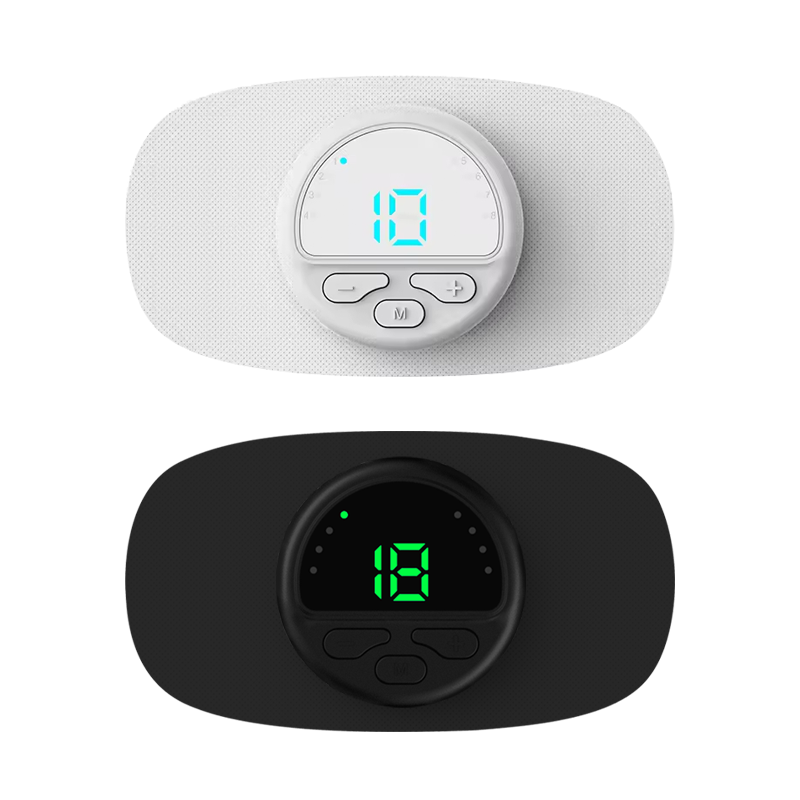
Wireless TENS devices are specifically designed for portability and wearable comfort. Many Wireless TENS devices use lightweight patch-style or mini-module structures that can be directly attached to targeted body areas.
The compact size of Wireless TENS devices makes them easy to carry in pockets, handbags, or travel cases. Users can perform therapy sessions anytime without requiring large equipment or complicated setup procedures.
Wearable Wireless TENS devices are especially popular among office workers, travelers, athletes, and users who require continuous pain management throughout the day.
2.3 Smart App and Bluetooth Connectivity
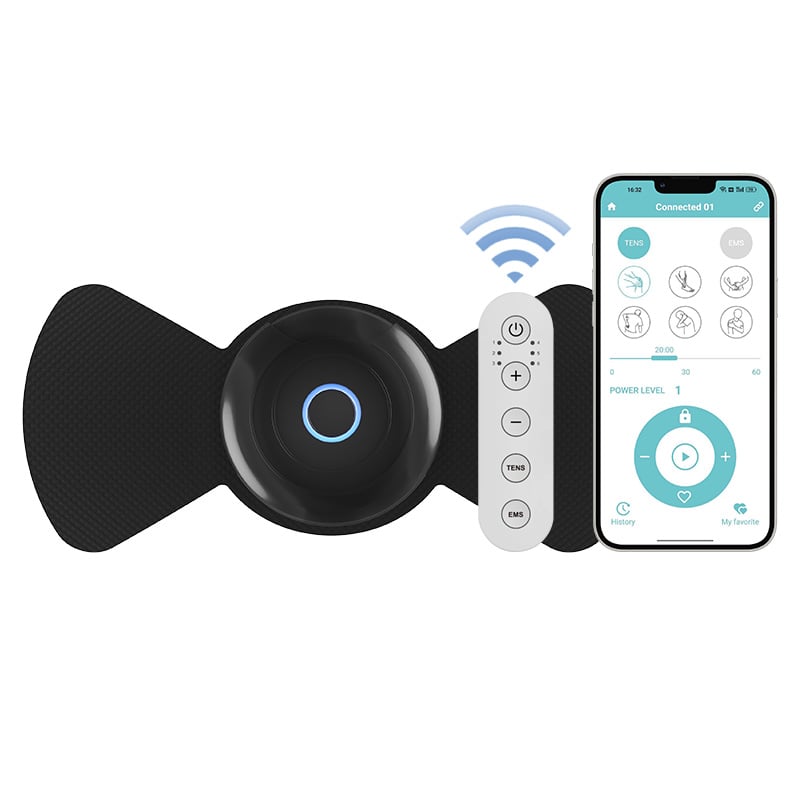
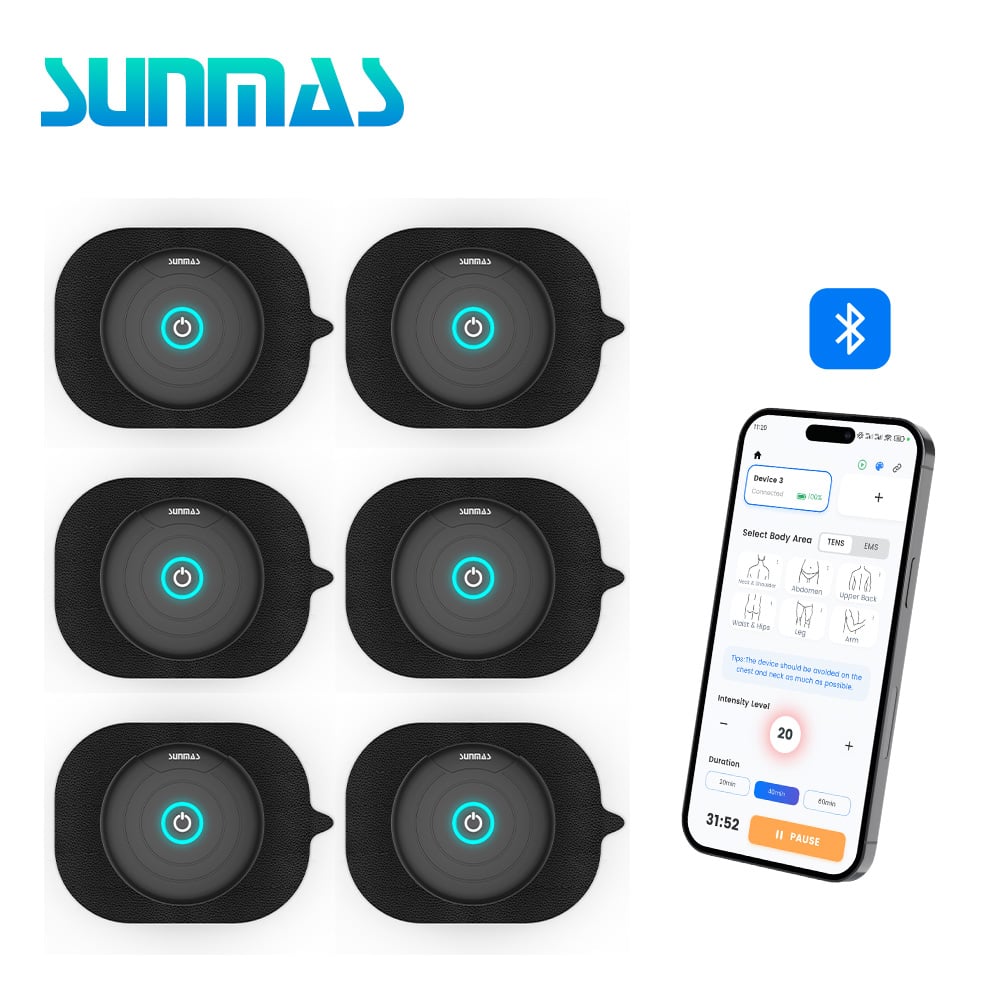
Modern Wireless TENS devices often support Bluetooth connectivity and smartphone application control. Through mobile apps, users can easily adjust therapy modes, intensity levels, treatment duration, and customized therapy programs.
This smart connectivity improves personalization and allows Wireless TENS devices to provide a more intelligent therapy experience. Some Wireless TENS devices also support therapy tracking and memory functions, enabling users to monitor usage patterns and save preferred settings.
Bluetooth-enabled Wireless TENS devices are increasingly favored in premium wellness and rehabilitation markets because they combine electrotherapy technology with modern digital convenience.
2.4 Multiple Therapy Modes and Adjustable Intensity
Wireless TENS devices typically include multiple therapy programs designed to simulate massage, kneading, tapping, pulse stimulation, and acupuncture-like therapy patterns. These preset modes help Wireless TENS devices adapt to different pain relief needs and user preferences.
Adjustable intensity levels allow users to customize stimulation strength according to comfort level and treatment area sensitivity. This flexibility makes Wireless TENS devices suitable for a wide range of users, including beginners, elderly individuals, fitness users, and rehabilitation patients.
The combination of multiple therapy options and wireless convenience significantly enhances the practicality of Wireless TENS devices.
2.5 Discreet Daily Pain Management
Wireless TENS devices are ideal for users seeking discreet pain management solutions. Their compact wearable design allows Wireless TENS devices to be hidden under clothing during therapy sessions, enabling users to continue daily activities without interruption.
This discreet functionality makes Wireless TENS devices suitable for office environments, commuting, travel, and public settings. Users can receive continuous pain relief while maintaining normal movement and appearance.
The ability to perform therapy discreetly is one of the key reasons Wireless TENS devices have gained popularity in modern wellness markets.
3. Manufacturing & Technical Craftsmanship of Wireless TENS Devices
3.1 Compact Integrated Circuit Design
Wireless TENS devices rely on highly integrated electronic circuit systems that combine stimulation control, battery management, wireless communication, and pulse generation into compact structures.
Advanced miniaturization technology allows Wireless TENS devices to maintain stable therapy performance while reducing overall product size and weight. Precision circuit engineering is essential for ensuring the portability and comfort of Wireless TENS devices.
Compact integrated designs also improve the aesthetic appearance and wearable experience of Wireless TENS devices.
3.2 Stable Wireless Communication Technology
Bluetooth connectivity is a major technical feature of modern Wireless TENS devices. High-quality Wireless TENS devices use stable wireless communication modules that ensure reliable connection between the device and smartphone applications.
Optimized wireless protocols help Wireless TENS devices maintain smooth data transmission, fast response speed, and low power consumption. Stable connectivity improves user control accuracy and enhances the overall intelligent therapy experience.
Reliable wireless performance is critical for maintaining the convenience and personalization expected from Wireless TENS devices.
3.3 Rechargeable Lithium Battery System
Most Wireless TENS devices are equipped with rechargeable lithium battery systems that support extended operation time and portable use. Rechargeable Wireless TENS devices reduce the need for disposable batteries and improve sustainability.
Efficient battery management systems help Wireless TENS devices maintain stable electrical output while optimizing charging performance and battery lifespan. Many Wireless TENS devices also support USB charging or magnetic charging systems for additional convenience.
Long battery life is especially important for users who rely on Wireless TENS devices for daily therapy sessions.
3.4 Skin-Friendly Electrode and Adhesive Technology
Wireless TENS devices commonly use medical-grade adhesive electrode systems that provide stable conductivity and comfortable skin contact. The adhesive materials used in Wireless TENS devices are designed for secure attachment while minimizing skin irritation.
Flexible electrode structures allow Wireless TENS devices to conform more naturally to body contours, improving comfort during movement and long therapy sessions.
High-quality conductive gel technology further improves signal transmission efficiency and overall therapy performance in Wireless TENS devices.
3.5 Intelligent Safety and Auto-Control System
Safety remains a critical part of Wireless TENS device design. Most Wireless TENS devices include built-in safety functions such as automatic shut-off timers, overload protection, intensity limitation systems, and low-battery alerts.
Some advanced Wireless TENS devices also include intelligent control algorithms that gradually increase stimulation intensity to improve comfort during startup.
These safety systems help ensure that Wireless TENS devices provide stable and reliable therapy performance for both home users and rehabilitation applications.
Conclusion
Wireless TENS devices combine modern wearable technology with advanced electrotherapy performance to provide users with a flexible and convenient pain management solution. With advantages such as cable-free operation, portable wearable design, Bluetooth connectivity, customizable therapy programs, and intelligent safety systems, Wireless TENS devices have become an important category in the global wellness and rehabilitation market.
As demand for smart and portable healthcare products continues to increase, Wireless TENS devices will continue to play a major role in personal wellness, sports recovery, and home rehabilitation industries worldwide.
 ×
×















 EN
EN