
 EN
EN



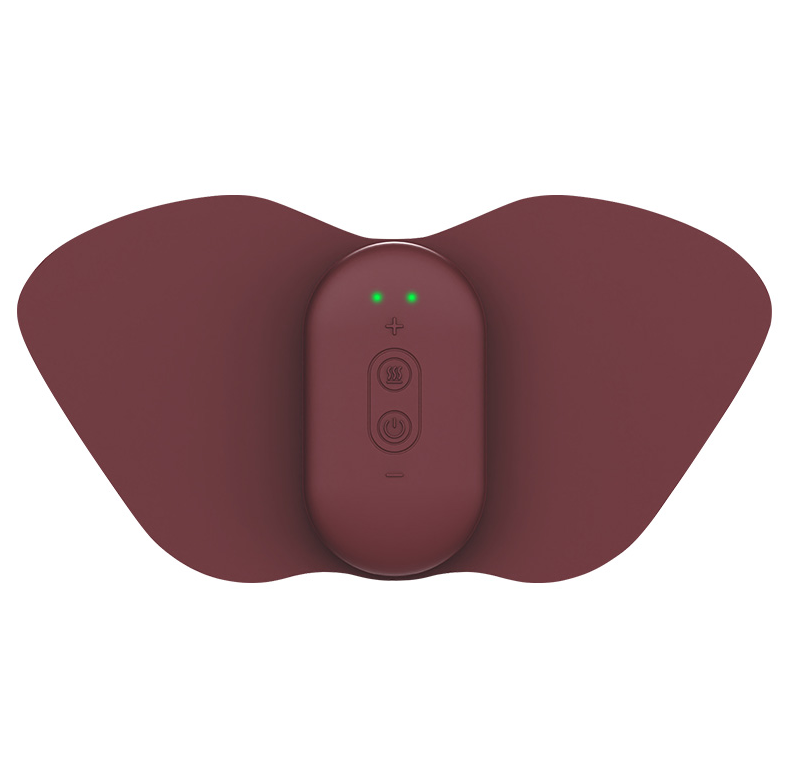
Why TENS Works Better as a Routine Than as a Rescue Tool
Most people first reach for a TENS unit when pain already feels unmanageable. That instinct makes sense, but it limits what the technology can do. Transcutaneous electrical nerve stimulation works by sending low voltage pulses through the skin to influence how pain signals travel. Using it only during flare-ups turns a useful therapy tool into a reactive crutch.
A daily or near daily routine changes the dynamic. Regular sessions help keep muscle tension from building into a bigger problem. The nervous system gets consistent input, and the body spends less time locked in a pain-spasm cycle. That shift matters for people managing chronic back pain, arthritis discomfort, or repetitive strain from desk work.
The key is not longer sessions. It is predictable timing. A ten to twenty minute session at roughly the same point each day builds a habit that is easier to keep. The device becomes part of a recovery rhythm instead of an emergency button.
Map the Pain Before Setting a Schedule
A schedule only works if it matches the actual pattern of discomfort. Morning stiffness and evening soreness need different timing. Someone with lower back pain after sitting all day will benefit more from an afternoon session than a morning one. Someone with knee stiffness at wake-up will get more relief before starting the day.
Tracking pain for a few days before setting a routine helps. Note when symptoms peak, what activity preceded them, and how long relief usually lasts. A simple log works better than trying to remember details later. That data makes the TENS schedule feel intentional rather than random.
Placement also changes the outcome. Electrodes need to sit on clean, dry skin near the painful area, not directly over bony bumps or irritated skin. For broad areas like the lower back or shoulder, placing pads on either side of the spine or around the muscle belly usually produces better coverage. The instruction manual gives safe starting points, but small adjustments based on sensation matter.
Start Low and Let the Sensation Guide the Setting
A common mistake is turning the intensity up too fast. Stronger is not always better. The goal is a comfortable tingling or gentle muscle tapping sensation, not pain or sharp discomfort. Starting low and increasing slowly lets the body adapt and reduces the chance of skin irritation.
Different programs serve different purposes. A steady pulse works well for acute soreness. A modulated or burst pattern may suit chronic stiffness because the changing waveform keeps the nervous system from adapting too quickly. Testing a few modes over several days reveals which one produces the most lasting relief.
Session length should stay moderate. Most home devices work well in the fifteen to thirty minute range. Going longer does not double the benefit and may overstimulate the skin. A timer keeps sessions consistent and prevents the habit of falling asleep with electrodes still attached.
Build the Habit Around Existing Daily Routines
The easiest way to keep a TENS routine is to attach it to something already automatic. A session after the morning shower, during a lunch break, or while watching the evening news feels less like a chore. The device becomes part of that existing pattern instead of a separate task that gets skipped.
For office workers, a small portable TENS unit can run during a short desk break. For people with evening pain, a session about an hour after dinner often fits well. The goal is consistency, not perfection. Missing a day matters less than abandoning the routine entirely.
Tracking sessions alongside pain levels helps show progress over two or three weeks. The improvement is rarely dramatic on day one. Most people notice that pain peaks become less intense or that relief lasts longer. That gradual change is the real measure of whether the routine works.
What Current Evidence Says About Regular TENS Use
Research on TENS therapy shows mixed but meaningful results. Some studies report significant pain reduction for conditions like osteoarthritis and chronic lower back pain. Others find modest effects that vary by individual. According to the American Chronic Pain Association, TENS is generally considered safe for self-administered use when basic precautions are followed.
That nuance matters. TENS is not a cure. It does not repair damaged tissue or reverse joint degeneration. It helps manage the experience of pain and can reduce reliance on medication when used appropriately. Honest expectations lead to better long-term adherence.
People with pacemakers, pregnant women, and those with certain neurological conditions should avoid TENS or seek medical advice before use. Electrodes should never go on the front of the neck, over the heart, or on broken skin. Those limits are not technicalities. They keep the routine safe.
How the Right Device Supports a Daily Routine
A TENS unit that is hard to set up will not become a habit. Small wireless or pocket-sized designs make it easier to stay consistent, especially for people who want relief at work or while traveling. Rechargeable batteries, pre-set programs, and simple controls reduce the friction that causes abandonment.
Sunmas designs and manufactures TENS and electrotherapy devices for global markets. The company runs its own production operation in Shenzhen, which gives it direct control over component quality and assembly consistency. For brands and distributors building a pain management product line, that supply chain stability supports reliable delivery and consistent product performance across batches.

