
 EN
EN



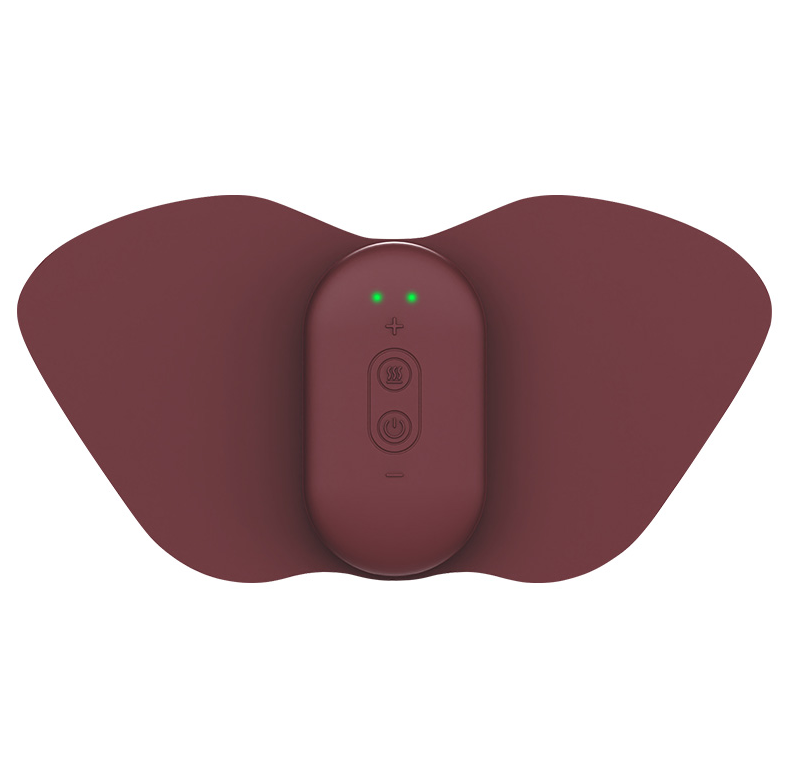
The Brain's Natural Pharmacy and How We Access It
The human nervous system possesses a built-in capacity to manufacture its own analgesic compounds, a capability that far predates the invention of modern pharmacology. Deep within the brain, the pituitary gland and the hypothalamus produce chains of amino acids called endogenous opioids. These molecules, which include enkephalins, beta-endorphins, and dynorphins, are structurally similar to the morphine extracted from poppy plants, yet they are produced entirely within the body. Their purpose is elegantly simple: to bind to opioid receptors distributed along the descending pain pathways and dampen the perception of pain at its very source. The question that has driven decades of pain research is not whether this system exists, but how to activate it reliably, safely, and without the dependency risks associated with exogenous pharmaceutical opioids. Transcutaneous Electrical Nerve Stimulation, widely known as TENS, offers one of the most practical answers to that question. By delivering carefully tuned electrical pulses through the skin to peripheral nerves, a TENS device essentially speaks the language of the nervous system, coaxing it to release its own stored reservoir of pain-relieving chemistry. This is not a mystical concept or a placebo-driven trend. It is a direct technological interface with a biological pathway that has been mapped, studied, and documented in peer-reviewed neurophysiology literature for decades.
The Gate Control Theory and the Immediate Neural Blockade
To understand how TENS induces the body to help itself, it is necessary to look at two distinct mechanisms operating on different timelines. The first and fastest mechanism is the Gate Control Theory, proposed by Ronald Melzack and Patrick Wall in the nineteen sixties, which remains a foundational model in pain science. Picture the dorsal horn of the spinal cord as a crowded checkpoint where sensory information from the body must pass before being transmitted up to the brain. Nerves that carry the dull, aching signals of chronic pain are small-diameter, slow-conducting C fibers. Nerves that carry the sensation of light touch, pressure, and vibration are large-diameter, fast-conducting A-beta fibers. When a TENS device applies a high-frequency, low-intensity current, it selectively recruits these fast A-beta fibers. The barrage of rapid, non-painful signals reaches the spinal gate first and effectively overwhelms it, shutting down the transmission of the slower, pain-carrying signals before they ever reach the conscious brain. The resulting sensation is a pleasant, humming vibration that replaces the perception of pain. This is the mechanism behind the immediate relief that many users feel within moments of starting a session. The effect is fast, it is relatively easy to achieve, and it provides a powerful demonstration that the perception of pain is not a fixed, unchangeable input but a dynamic process that can be modulated.
Triggering the Endorphin Cascade with Specific Frequencies
Beyond the rapid spinal gate, a slower but more profound biochemical response is waiting to be activated. This second mechanism requires a different electrical strategy. When the TENS device is set to a low frequency, typically below ten hertz, and the intensity is raised to produce a strong, rhythmic muscle contraction that remains within comfortable tolerance, the body interprets this as a demand signal. The sustained, low-frequency stimulation of the peripheral nerves, particularly the motor fibers that cause the muscle to twitch, sends a persistent volley of signals up to the brainstem. The brain responds by triggering the release of beta-endorphin and met-enkephalin from the pituitary gland into the bloodstream and the cerebrospinal fluid. These natural opioid molecules travel through the body's circulation and bind to mu and delta opioid receptors located along the descending pain inhibition pathways. The effect is not instantaneous. It takes time to build, typically requiring a stimulation period of twenty to thirty minutes, but the resulting analgesia often persists for hours after the device has been turned off and the electrodes have been removed. This prolonged after-effect is one of the most clinically valuable properties of TENS therapy. It means that a session timed strategically, perhaps in the early evening when chronic pain tends to escalate, can provide a window of comfort that extends through the night and into the following morning. This is the body's own pharmacy, stocked and dispensed through the precise application of electrical energy.
Why the Waveform and Pulse Characteristics Matter Technically
The successful recruitment of either the fast A-beta fibers or the deeper endorphin-releasing pathways depends on the electrical engineering of the device itself. Nerve fibers do not respond to all electrical stimuli equally. A nerve membrane has a property called accommodation, meaning it can adapt to a slowly rising current and fail to fire. A clinically effective TENS device must therefore generate a waveform with a steep leading edge that rises rapidly enough to depolarize the nerve membrane before accommodation occurs. The standard therapeutic waveform is a rectangular, biphasic pulse that is balanced so that the net charge delivered to the tissue over time equals zero. This charge balance is not a trivial detail. An unbalanced waveform delivers a net direct current component that can cause ionic buildup under the electrodes, leading to skin irritation, redness, and discomfort that forces the user to abandon the therapy. Pulse duration, measured in microseconds, is the other critical variable. Shorter pulses, in the range of fifty to a hundred microseconds, are effective at recruiting the large-diameter sensory fibers responsible for the gate control effect. Longer pulses, extending to two hundred microseconds and beyond, are required to penetrate deeper and recruit the smaller-diameter motor fibers and pain fibers involved in the endorphin release mechanism. A TENS device that offers only a single, fixed pulse width is effectively limited to one mechanism of action. A professionally designed device provides adjustable pulse duration and multiple frequency settings, giving the user the flexibility to target different pain pathways based on the nature of their pain and the time of day.
Translating Laboratory Science into Practical Home Therapy
The controlled conditions of a neurophysiology laboratory, with its precisely calibrated stimulators and clinicians adjusting electrode placement by anatomical landmarks, can feel far removed from the reality of a person managing pain at home. Yet the translation of TENS from a clinical tool to a personal device is precisely what makes the science accessible. The key to successful home use lies in understanding how to replicate the two stimulation protocols. For immediate relief during a flare-up of sharp pain, the user sets the device to a high-frequency mode, typically the continuous or normal setting, and adjusts the intensity until a strong, comfortable tingling blankets the painful area without producing muscle contraction. This is the gate control protocol in action. For longer-lasting relief, particularly for the dull, deep ache that characterizes chronic conditions, the user switches to a low-frequency burst or modulation mode and increases the intensity until the muscles under the electrodes begin to contract rhythmically. This is the endorphin release protocol. The difference in sensation between these two modes, a surface-level buzz versus a deep, pulsing throb, is something users learn to distinguish with practice. Keeping a simple log of which mode was used, for how long, and the resulting level of relief helps build a personalized protocol over time. The science of TENS provides the principles, but the art of TENS is in the patient's willingness to experiment methodically and learn the specific language of their own nervous system.
The Engineering Integrity Behind Therapeutic Consistency
The bridge between a well-understood neurophysiological mechanism and a consistent therapeutic outcome is the manufacturing quality of the device that delivers the electrical signal. A TENS unit that advertises a balanced biphasic waveform but fails to maintain that balance across its entire intensity range will, over time, produce the skin irritation that the science was designed to avoid. A lead wire connector that loosens after repeated plugging and unplugging introduces resistance fluctuations that cause the current to surge and fade, disrupting the steady nerve recruitment that both the gate control and endorphin mechanisms depend upon. The precision of the intensity dial, the reliability of the timer circuit, and the integrity of the electrode gel formulation are not merely commercial features. They are the physical embodiment of the therapeutic science. Sunmas approaches the production of TENS devices with this engineering accountability, building units where the waveform output is verified to remain balanced and accurate throughout the battery life cycle and across the full range of intensity settings. When a therapist recommends TENS to a patient, or when a consumer selects a device for personal use, the underlying assumption is that the machine will perform as the science intends. A manufacturer that invests in rigorous circuit design, consistent component sourcing, and thorough final inspection ensures that the electrical pulses reaching the patient's nerves faithfully reproduce the waveform that decades of research have validated. This commitment to technical precision is what allows the neurophysiological promise of endorphin release to move from a peer-reviewed journal article into the lived experience of pain relief at home.
Table of Contents
- The Brain's Natural Pharmacy and How We Access It
- The Gate Control Theory and the Immediate Neural Blockade
- Triggering the Endorphin Cascade with Specific Frequencies
- Why the Waveform and Pulse Characteristics Matter Technically
- Translating Laboratory Science into Practical Home Therapy
- The Engineering Integrity Behind Therapeutic Consistency

