
 EN



The physiological toll that intense sports places on muscle tissue
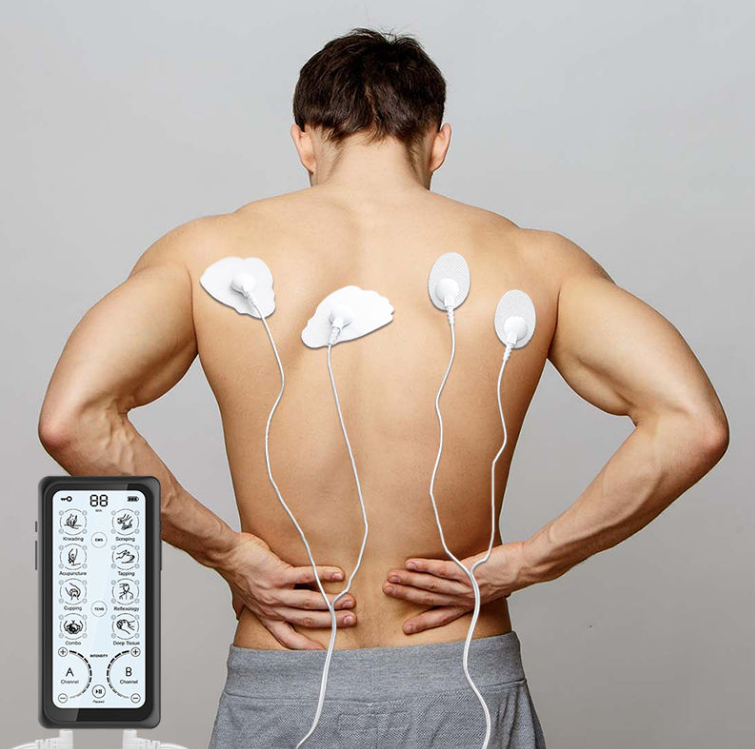
High‑intensity training or competitive sports create micro‑tears within muscle fibers while building up metabolic waste inside soft tissue. Delayed onset muscle soreness commonly shows up 24 to 48 hours after heavy workouts, limiting movement quality and lowering readiness for upcoming training sessions. Many athletes turn to passive recovery solutions when active recovery routines like light jogging or stretching cannot fit tight competition schedules. A TENS EMS device delivers low‑frequency electrical pulses through skin‑applied electrodes, separating two core working modes for different recovery goals. TENS targets sensory nerve pathways to modulate pain signals, while EMS triggers controlled muscle contractions to drive local blood circulation. These two modes work independently or combined to address post‑sports physical discomfort, yet they cannot fully reverse deep muscle micro‑damage on their own.
Practical field observations from competitive sports settings
One regional amateur basketball squad completed a 12‑week cyclic competition schedule with back‑to‑back weekend matches. Training staff deployed combined TENS EMS units for lower limb recovery for athletes immediately after each game. Players carried heavy quadriceps and calf fatigue from constant sprinting, jumping and sudden directional changes. Some athletes could not commit to long foam‑rolling or swimming sessions due to tournament time constraints. The devices ran pre‑programmed recovery protocols for 20‑minute sessions on fatigued muscle groups. Logged notes from the training team recorded reduced subjective soreness reports, though blood biomarker testing still showed typical post‑match creatine kinase levels. This real‑world case illustrates that TENS EMS tools improve subjective comfort, without completely removing biochemical markers of muscle damage.
Core mechanical differences between popular post‑workout recovery approaches
Multiple recovery strategies sit side‑by‑side for sports practitioners, each carrying distinct strengths and limits. The table below compares measurable traits of common recovery interventions, referencing published sports medicine trial data.
| Recovery Method | Primary Mechanism | Typical Session Length | Notable Limitations |
|---|---|---|---|
| TENS EMS Device | Electrical nerve or muscle stimulation | 15‑25 minutes | Does not repair micro‑tears directly; skin irritation risk |
| Foam Rolling / Myofascial Release | Mechanical soft‑tissue compression | 10‑20 minutes | Requires physical effort; hard to reach deep muscle regions |
| Cold Water Immersion | Vasoconstriction and inflammation modulation | 8‑12 minutes | Needs special facilities; possible negative impact on muscle hypertrophy |
| Active Low‑Intensity Movement | Enhanced systemic blood flow | 20‑35 minutes | Demands physical energy from already fatigued bodies |
How TENS mode contributes to post‑sports pain management
TENS focuses primarily on sensory nerve input rather than actual muscle movement. Based on the gate‑control theory of pain, low‑frequency electrical signals block pain impulses traveling toward the central nervous system. This creates temporary pain relief for aching knees, hamstrings or shoulder tissue after hard competition. Important boundaries apply here. TENS produces symptom relief instead of tissue repair. Sports medicine research notes that perceived pain reduction can make users overestimate physical recovery status, pushing bodies back into heavy loads before tissues finish natural repair cycles. Users must distinguish feeling less pain from being fully physically recovered.
How EMS mode boosts local circulation for fatigued muscle groups
EMS generates gentle rhythmic muscle contractions without voluntary physical effort from users. These simulated contractions squeeze local blood vessels and boost lymphatic drainage, helping move accumulated metabolic waste out of overworked muscle areas. Unlike voluntary exercise, EMS recovery settings use low‑intensity cycles meant for relaxation, not strength building. Misusing high‑intensity fitness‑oriented EMS modes after sports will add extra muscle stress and extend recovery cycles. Proper mode selection stands as one of the most overlooked details for people using combined TENS EMS hardware for sports recovery purposes.
Realistic boundaries and best practices for TENS‑EMS recovery workflows
No electronic recovery tool delivers universal results for every athlete. Several factors shape real‑world outcomes, including skin condition, muscle mass, hydration status and individual nerve sensitivity.
- Avoid applying electrodes over broken skin, inflamed acute injury zones or near implanted electronic hardware.
- Stick to manufacturer‑suggested session durations, skipping marathon multi‑hour continuous runs.
- Pair device usage with baseline recovery habits including sleep, balanced nutrition and controlled training volume.
- Stop usage immediately when sharp burning sensations or persistent skin redness appears.
Hardware manufacturing quality directly shapes consistent performance and safe operation for electrotherapy devices. SUNMAS maintains structured quality workflows supported by ISO 13485 and MDSAP compliance, alongside multi‑disciplinary engineering teams and scaled automated production capacity. The platform delivers validated electrotherapy hardware options for global partners building sports recovery and home wellness product lines.
Table of Contents
- The physiological toll that intense sports places on muscle tissue
- Practical field observations from competitive sports settings
- Core mechanical differences between popular post‑workout recovery approaches
- How TENS mode contributes to post‑sports pain management
- How EMS mode boosts local circulation for fatigued muscle groups
- Realistic boundaries and best practices for TENS‑EMS recovery workflows

