
 EN



What Happens to a Muscle After Injury or Surgery
Muscle tissue responds to injury with a familiar pattern. Swelling sets in, nerve signaling becomes inconsistent, and the brain starts protecting the area by limiting voluntary activation. That protective response is useful in the beginning, but it creates a problem later. A muscle that stays quiet for too long loses mass and strength faster than most people expect.
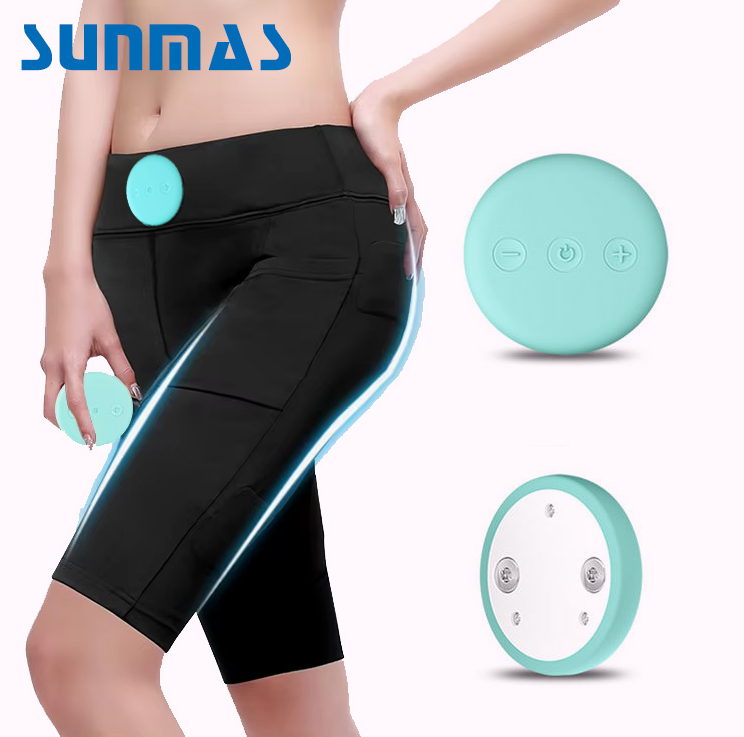
EMS enters this picture as a way to bridge the gap between rest and recovery. An EMS muscle stimulator sends controlled electrical pulses through the skin to trigger contractions. Those contractions activate motor nerves without requiring the person to push through pain or joint stress. For someone who cannot perform a normal leg extension after knee surgery, that is a meaningful difference.
The goal in rehab is not to build a bodybuilder's contraction. It is to keep the neuromuscular pathway alive. When motor nerves continue firing in a structured way, the muscle remembers how to respond. That makes later voluntary exercise easier and less intimidating.
How Electrical Stimulation Supports Neuromuscular Re-Education
Injury disrupts the loop between the brain, the spinal cord, and the muscle. Even after tissue heals, that loop can stay sluggish. A person may want to contract a muscle, but the signal feels weak or delayed. That disconnect is not imaginary. It is a real consequence of altered sensory input during the injury period.
EMS helps restore the conversation. The electrical pulse bypasses the hesitant voluntary signal and fires the motor nerve directly. The muscle contracts, sensory receptors report back, and the nervous system gets confirmation that movement is possible. Repeated over days and weeks, that process rebuilds confidence in the affected area.
Physical therapists often use EMS during the early stages of rehab for this reason. A quadriceps muscle that will not fire after ACL surgery can be stimulated while the patient watches the contraction happen. That visual feedback reinforces the brain's connection to the muscle. The electrical stimulation is not the whole treatment, but it opens the door for active exercise later.
The Role of EMS in Managing Swelling and Muscle Atrophy
Swelling limits recovery in two ways. It increases pressure in the tissue, which makes movement painful, and it slows the delivery of oxygen and nutrients. Inactivity then compounds the problem by allowing fluid to pool. Gentle muscle contractions help move that fluid out of the injured area.
EMS contractions serve this purpose without requiring joint movement. A low intensity setting produces rhythmic muscle pumping that supports circulation. That is especially useful when a limb is immobilized or when weight-bearing is not allowed. The muscle still gets some metabolic activity even though the joint stays still.
Atrophy prevention is another benefit. Research shows that muscle cross-sectional area can decline rapidly during immobilization. A study in the European Journal of Applied Physiology noted that electrical stimulation protocols can reduce the degree of muscle loss during periods of disuse. The effect is not absolute, but it is better than doing nothing.
Where EMS Fits Into a Typical Rehab Timeline
EMS is not appropriate at every stage of recovery. In the acute phase, right after injury or surgery, the focus should be on pain control, swelling management, and protected movement. Electrical stimulation may be introduced once the initial inflammatory response settles and medical clearance is given.
The table below shows how EMS use typically changes across rehab stages.
| Rehab Stage | EMS Goal | Intensity | Session Length | Frequency |
|---|---|---|---|---|
| Early recovery | Muscle activation, circulation | Low | 10 to 15 minutes | Daily or prescribed |
| Mid recovery | Strength support, re-education | Medium | 15 to 20 minutes | 4 to 5 times per week |
| Late recovery | Endurance and control | Medium to high | 20 to 30 minutes | 3 to 4 times per week |
| Maintenance | Routine activation | Low to medium | 15 to 20 minutes | As needed |
The timing should match a therapist's guidance. EMS is a supplement to hands-on treatment and progressive exercise, not a standalone fix. Pushing intensity too early can irritate healing tissue and set recovery back.
A Realistic Look at What EMS Can and Cannot Do
There is a gap between marketing claims and clinical reality. EMS does not cure torn ligaments, repair cartilage, or replace lost strength overnight. It supports the neuromuscular system during a vulnerable period. It reduces the rate of atrophy, helps maintain motor activation, and gives patients an active role in their own recovery.
That active role matters psychologically. Injury often strips away a person's sense of control. A simple daily session with an EMS muscle stimulator provides a structured action that feels productive. That is not placebo. It is engagement, and engagement improves adherence to the broader rehab plan.
The limits are real, though. EMS cannot match the functional demand of walking, squatting, or lifting. It will not restore balance or coordination on its own. Those abilities return through movement-based training. EMS prepares the muscle and the nervous system for that work.
Why Home Use Requires Clear Guidance and Quality Hardware
Home-based EMS use has grown because it makes rehab more convenient. That convenience only works when the device is simple to operate and the output is predictable. A unit with erratic current delivery can cause discomfort or inconsistent muscle response. Electrode quality also matters because poor adhesion leads to uneven stimulation.
Safety instructions should never be skipped. EMS should not be used over the front of the neck, on broken skin, or by people with pacemakers and certain medical conditions. A medical professional should clear the use before starting a home routine.
Sunmas produces EMS and TENS devices from its Shenzhen manufacturing facility. The company focuses on electrotherapy hardware for brand customers and distributors, with direct control over production quality and component sourcing. For businesses building rehab product lines, that kind of manufacturing consistency helps keep devices safe, reliable, and suitable for long-term use.
Table of Contents
- What Happens to a Muscle After Injury or Surgery
- How Electrical Stimulation Supports Neuromuscular Re-Education
- The Role of EMS in Managing Swelling and Muscle Atrophy
- Where EMS Fits Into a Typical Rehab Timeline
- A Realistic Look at What EMS Can and Cannot Do
- Why Home Use Requires Clear Guidance and Quality Hardware

