
 EN
EN



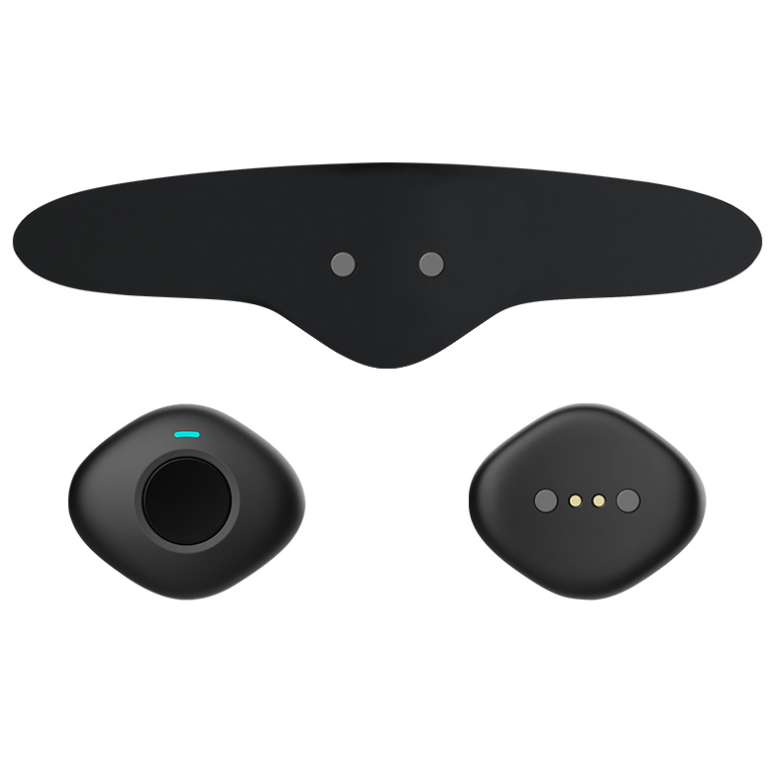
Why Period Pain Occurs and How TENS Technology Intervenes
Menstrual cramps stem from excessive uterine muscle contraction triggered by prostaglandin release during menstruation. Excessive contraction compresses local blood vessels and nerves, leading to throbbing, cramping pain in the lower abdomen, and even radiating discomfort in the waist and thighs. Most people rely on oral painkillers or hot compresses for relief, but these methods have obvious limitations. Painkillers carry potential gastrointestinal side effects and cannot be used frequently, while ordinary hot compresses only relieve superficial soreness with slow onset and limited effect.
A period pain relief device adopting TENS (Transcutaneous Electrical Nerve Stimulation) technology provides a drug-free, fast-acting alternative for menstrual pain management. This physical therapy method works by transmitting low-frequency micro-current pulses through skin electrodes to block pain nerve signal transmission. According to mainstream physical therapy industry research on primary dysmenorrhea, high-frequency TENS stimulation effectively suppresses pain nerve transmission within a short period, greatly alleviating cramp discomfort without pharmaceutical intervention. As a proven drug-free physical therapy solution, TENS delivers stable and noticeable pain relief effects for most menstrual cramp symptoms.
Key Differences Between TENS Therapy and Traditional Pain Relief Methods
To clearly understand the advantages of a professional period pain relief device, comparing it with conventional household relief methods can eliminate usage misunderstandings and select the most efficient relief solution. The following data comparison summarizes the core differences in onset speed, safety and applicability of different pain relief approaches:
|
Pain Relief Method
|
Onset Time
|
Side Effects
|
Duration of Relief
|
Applicable Scenarios
|
|---|---|---|---|---|
|
Oral Painkillers
|
30–45 minutes
|
Gastrointestinal irritation, drug dependence risk
|
4–6 hours
|
Severe occasional pain
|
|
Ordinary Hot Compress
|
20–30 minutes
|
No obvious side effects
|
1–2 hours
|
Mild mild cramp relief
|
|
TENS Period Pain Relief Device
|
5–10 minutes
|
Non-invasive, drug-free, zero side effects
|
6–8 hours
|
Mild to severe periodic cramps, daily home use
|
Field tests from home healthcare equipment engineering projects show that portable TENS period pain relief devices perform stably in long-term repeated use. Internal user sampling tests on household TENS physiotherapy equipment show that most users experience noticeable pain relief within 10 minutes of standardized TENS stimulation, with overall relief performance far superior to traditional hot compress methods, and consistent effects during long-term repeated use.
Standard Step-by-Step Usage for Fast Period Pain Relief
Correct electrode placement and mode selection determine the relief speed of TENS devices. Improper operation will delay pain relief and even cause weak stimulation with no obvious effect. The standardized operation steps suitable for most users are as follows:
1. Clean the skin of the lower abdomen and lumbosacral area to remove sweat and oil stains, ensuring close adhesion of electrode pads and avoiding poor current conduction caused by gaps.
2. Paste two electrode pads on the symmetric positions of the lower abdomen, 3–5 cm away from the painful core area, and attach the other two pads on the lumbosacral spine area to form a closed current loop.
3. Turn on the device and select the dedicated menstrual cramp mode. Most professional period pain relief devices are preset with optimized frequency parameters for uterine cramp relief, avoiding the need for manual complicated debugging.
4. Gradually adjust the current intensity from low to high until a comfortable rhythmic tingling sensation is felt, without numbness or stinging pain. Maintain the intensity for 15–20 minutes for one treatment session.
Optimal Stimulation Parameters for Different Pain Levels
TENS relief effects vary significantly with frequency and intensity. According to medical device physiotherapy standards, targeted parameter adjustment for different pain degrees can maximize relief efficiency. For mild menstrual cramps (pain score 1–3), low-frequency continuous stimulation with 2–5mA current is recommended, which can soothe mild uterine contraction and relieve dull pain quickly.
For moderate to severe cramps (pain score 4–7), high-frequency intermittent pulse stimulation is more effective. This mode can quickly block accelerated pain nerve signal transmission and relieve cramping and distending pain. It is worth noting that excessive current intensity will not speed up relief, but may cause local skin numbness and discomfort. All professional TENS period pain relief devices are equipped with intelligent intensity limit functions to ensure safe use.
Key Usage Precautions to Avoid Invalid Relief
Many users report unstable relief effects mainly due to irregular usage habits. First, avoid using the device on dry skin. Slight skin moisture can enhance current conduction efficiency, while overly dry skin will weaken stimulation and reduce pain relief effects.
Second, do not use the device continuously for more than 40 minutes per session. Long-term uninterrupted stimulation will make local nerves adapt to current signals and reduce sensitivity, leading to diminished subsequent relief effects. In addition, TENS devices are not suitable for use during heavy menstrual bleeding or for users with abdominal skin wounds, to avoid unnecessary physical irritation.
Product Advantages Behind Reliable TENS Pain Relief Performance
Stable and efficient TENS pain relief relies on strict technical research and manufacturing standards. SUNMAS, as a professional home healthcare device brand, adopts standardized medical-grade production and quality control systems. All period pain relief devices comply with ISO 13485 and MDSAP international medical quality standards, and pass FDA 510(k) and Medical CE certification, ensuring consistent product safety and relief effect across global usage scenarios.
Supported by a professional R&D team and automated production lines, the brand optimizes TENS frequency and pulse parameters for menstrual pain scenarios, avoiding the one-size-fits-all parameter defect of ordinary physiotherapy devices. The precise customized pulse mode ensures fast and targeted relief of menstrual cramps, meeting the efficient and safe home healthcare needs of modern users.
Table of Contents
- Why Period Pain Occurs and How TENS Technology Intervenes
- Key Differences Between TENS Therapy and Traditional Pain Relief Methods
- Standard Step-by-Step Usage for Fast Period Pain Relief
- Optimal Stimulation Parameters for Different Pain Levels
- Key Usage Precautions to Avoid Invalid Relief
- Product Advantages Behind Reliable TENS Pain Relief Performance

