
 EN
EN



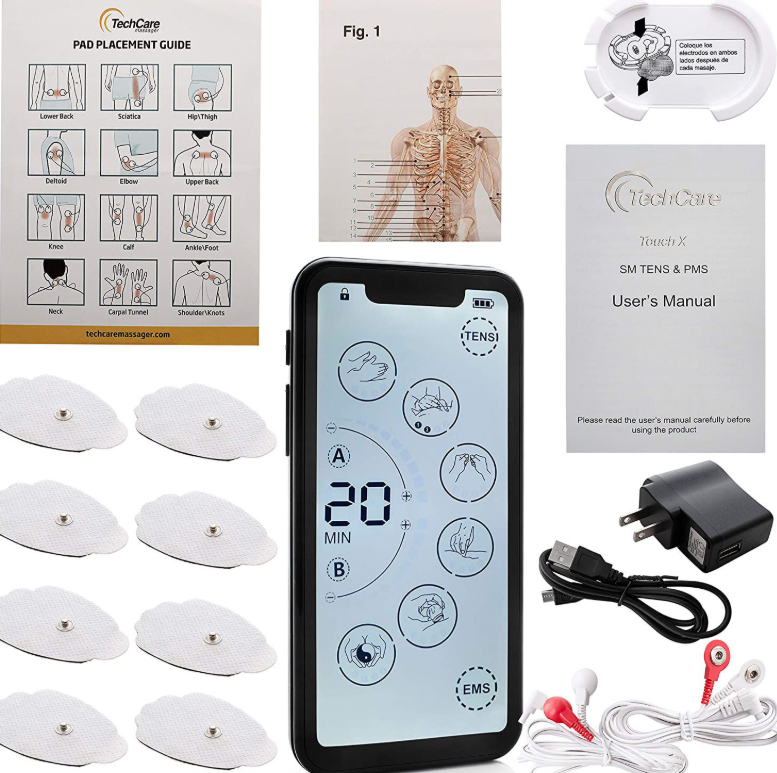
Core Working Principle Behind Electronic Muscle Stimulator
Muscle contraction relies on bioelectrical signals transmitted through the nervous system to muscle fibers. An electronic muscle stimulator reproduces low-frequency bioelectrical pulses externally to trigger passive muscle contraction without voluntary physical movement from users. The core EMS mechanism bypasses nerve signal transmission barriers and directly activates slow and fast twitch muscle groups simultaneously, covering superficial abdominal muscles and deep core stabilizers that are hard to target through regular bodyweight workouts.
Relevant guidelines from the International Society of Sports Physiology classify household EMS equipment as auxiliary fitness rehabilitation devices, confirming its value for muscle activation, post-workout recovery and low-intensity shaping. Unlike random vibration massage devices, standardized EMS pulse waveforms follow consistent amplitude and frequency curves to deliver stable, uniform muscle stimulation across attached electrode areas.
Contrast Between EMS Training and Conventional Home Workout Methods
Many fitness enthusiasts struggle to maintain regular training due to time constraints, limited living space or joint discomfort. Comparing mainstream home training solutions highlights the unique positioning of electronic muscle stimulator in modern fitness routines, with objective data sorted in the table below.
|
Training Method
|
Space Requirement
|
Minimum Daily Time Input
|
Joint Load
|
Target Muscle Coverage
|
Learning Barrier
|
|---|---|---|---|---|---|
|
Dumbbell/Resistance Band Training
|
3–6 square meters
|
25–40 minutes
|
Medium to high
|
Partial muscle groups
|
High, requires standard movement posture
|
|
Bodyweight HIIT
|
2–4 square meters
|
15–30 minutes
|
High impact on knees and ankles
|
Full body surface muscles
|
Medium, needs movement coordination
|
|
Electronic Muscle Stimulator
|
Less than 1 square meter
|
10–20 minutes
|
Zero joint pressure
|
Deep + superficial muscle layers
|
Very low, one-click preset modes
|
Observations within sports rehabilitation circles note that people with sedentary office lifestyles frequently suffer from underactivated deep core muscles. Standard bodyweight or resistance training rarely targets these deep muscle groups effectively within short time windows. Proper EMS application enables passive deep muscle activation and eases built-up tension caused by prolonged sitting, filling a gap for casual fitness with limited available time.
Target Applicable Crowds and Clear Usage Limitations
Electronic muscle stimulator fits multiple groups with distinct fitness demands. Busy office staff can use it for daily core activation during rest breaks. Users recovering from minor sports injuries can rely on low-intensity EMS pulses to maintain muscle volume without straining damaged joints. Older adults with limited mobility can perform gentle muscle toning without standing movement. People with light shaping goals also gain supplementary training effects paired with balanced diet.
Clear functional boundaries exist to avoid unrealistic expectation. 1. EMS stimulation cannot replace aerobic fat-burning exercise, as it does not raise heart rate to levels required for sustained calorie burn. 2. It cannot build extreme muscle mass comparable to heavy weightlifting, since passive contraction lacks progressive overload resistance. 3. People with implanted medical devices, pregnancy and severe skin inflammation should avoid contact with electrode pads.
Technical Upgrade Directions Reshaping Home EMS Experience
Early generations of muscle stimulation gear carried rigid fixed-frequency modes, creating uncomfortable uniform tingling across all body zones. Current upgraded electronic muscle stimulator products adopt segmented frequency modulation, adjusting pulse rhythm separately for abdomen, waist, arms and thighs to match different muscle tissue densities. Wireless Bluetooth control modules further eliminate tangled connecting wires, enabling flexible use while resting or working at desks.
Material optimization also drives user experience improvements. Medical-grade non-woven electrode pads maintain stable adhesion for repeated use, while low-power chip design extends single-charge runtime to multiple days. Many new models integrate dual-mode switching between EMS muscle training and TENS pain relief, merging fitness and daily muscle soreness recovery into one portable unit.
Market Demand Shifts Pushing Mainstream Adoption of EMS Fitness Gear
Global home fitness market surveys show rising demand for low-effort, space-saving workout tools over the past five years. Rental apartment dwellers and frequent business travelers form two core consumer groups seeking compact fitness equipment that does not occupy permanent storage space. Portable electronic muscle stimulator fits this demand perfectly, with compact pad structures that fold flat for storage in drawers or travel bags.
Offline retail channel data also reflects changing consumer preferences. Traditional bulky fitness machines see slowing sales growth, while compact EMS physiotherapy-fitness hybrid devices record steady monthly sales growth. The shift signals that modern users prioritize convenience and multi-scene adaptability over single high-intensity training functions.
Manufacturing Standards Supporting Stable EMS Fitness Performance
Consistent output pulse precision and long-term product reliability depend on strict production and testing protocols. SUNMAS implements full-process quality inspection aligned with global medical device certification standards for all its muscle stimulation equipment. The brand’s large automated production facility and dedicated quality control team standardize pulse parameter calibration for every batch of electronic muscle stimulator, eliminating inconsistent stimulation intensity common in low-cost uncertified alternatives. Customizable pulse mode development services also support diverse market demands across regional fitness consumption habits, without forcing uniform generic parameter settings for all product lines.
Table of Contents
- Core Working Principle Behind Electronic Muscle Stimulator
- Contrast Between EMS Training and Conventional Home Workout Methods
- Target Applicable Crowds and Clear Usage Limitations
- Technical Upgrade Directions Reshaping Home EMS Experience
- Market Demand Shifts Pushing Mainstream Adoption of EMS Fitness Gear
- Manufacturing Standards Supporting Stable EMS Fitness Performance

