
 EN
EN



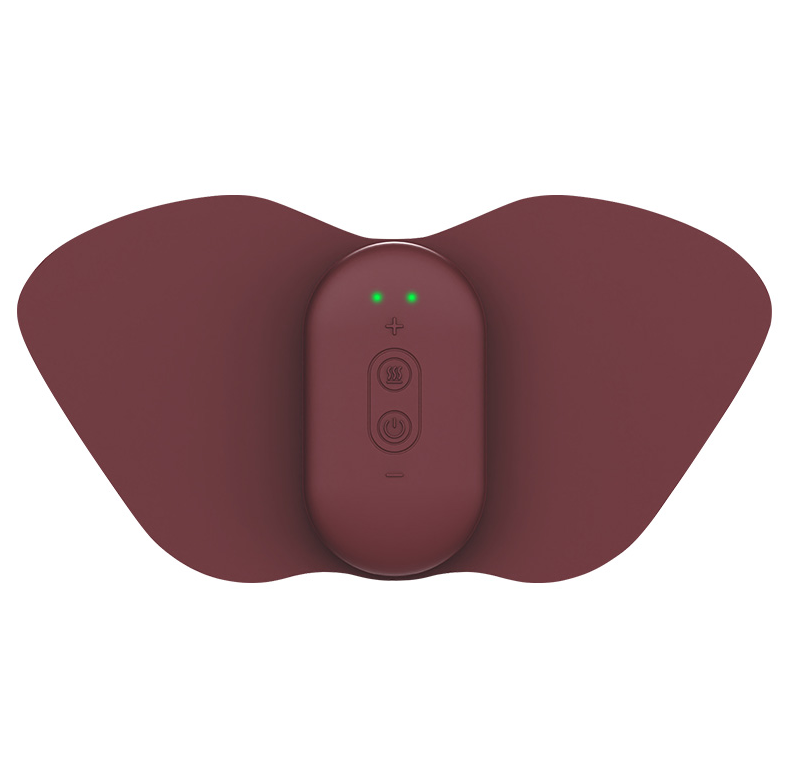
Understanding the Flare-Up and the Need for Rapid Relief
An arthritis flare-up rarely announces itself politely. It often builds overnight or hits within the first hour of waking, turning a routine morning into a negotiation with stiff, swollen, and painfully tender joints. The inflammatory cascade inside the joint capsule causes the synovial membrane to become irritated and thickened, and the resulting pain signals fire relentlessly along the sensory nerves toward the spinal cord. For someone living with osteoarthritis or rheumatoid arthritis, this is not just discomfort. It is a temporary loss of function that derails plans and drains emotional reserves. The standard medical response typically involves nonsteroidal anti-inflammatory drugs or corticosteroid management, both of which come with well-documented limitations on frequency of use and systemic side effects. This is where the search for a complementary modality becomes urgent. Transcutaneous Electrical Nerve Stimulation, or TENS, enters the conversation at precisely this point, offering a non-invasive, drug-free method to interrupt the pain cycle at the neural level. The goal is not to reverse the cartilage wear or the autoimmune process. The goal is to restore a functional window of relief during the worst days so that a person can move, sleep, and participate in the gentle physiotherapy exercises that keep the joint from freezing up completely.
The Neurophysiology That Makes TENS Effective
The mechanism behind TENS therapy rests on well-established principles of pain neuroscience that have been studied and debated in peer-reviewed literature for decades. The dominant framework for understanding high-frequency TENS, typically above fifty hertz, is the Gate Control Theory. Imagine the spinal cord as having a gating mechanism where competing nerve signals battle for priority access to the brain. The sharp, aching signals from the arthritic joint travel along small-diameter, slow-conducting nerve fibers. The TENS device generates a mild, comfortable electrical current that travels along large-diameter, fast-conducting sensory fibers. These faster fibers reach the spinal gate first and effectively close it to a significant portion of the slower pain traffic. The sensation is one of a pleasant tingling or buzzing that replaces the perception of deep joint ache. There is a second mechanism that becomes relevant at lower frequencies and higher pulse durations, known as the endogenous opioid release pathway. When the device delivers a strong but tolerable pulsation that produces visible muscle twitching, the body responds by releasing its own natural painkillers, enkephalins and beta-endorphins, which bind to opioid receptors in the descending pain inhibition pathways. This dual capability, fast gating for immediate relief and the slower onset of natural opioid release for longer-lasting comfort, gives TENS a unique flexibility in addressing the different pain profiles that an arthritis flare-up can present across different individuals and different times of day.
Selecting the Right Mode for Arthritic Pain
The mode selection on a TENS device is not just a marketing feature. It reflects a genuine physiological decision that can make the difference between effective relief and a frustrating experience. For the acute, sharp onset of a flare-up, most experienced users and clinicians gravitate toward a continuous, high-frequency setting. The burst of fast pulses at a rate of perhaps eighty or a hundred hertz overwhelms the pain signal traffic at the spinal gate, and the effect, while somewhat temporary, arrives quickly. This mode allows a person to get through a necessary task, like getting dressed or preparing a meal, while the worst of the inflammatory storm peaks. The trade-off is that the body can adapt to a constant frequency over time, a phenomenon known as accommodation, where the same stimulation gradually feels less effective. This is where the low-frequency or burst mode proves its worth. By delivering slower pulses that trigger muscle contraction and a deeper aching sensation, the device stimulates the natural opioid system. The effect takes longer to build, perhaps fifteen to twenty minutes, but it tends to outlast the stimulation period by a significant margin. A practical strategy that many pain management therapists discuss involves starting with a high-frequency session to break the acute pain cycle, then switching to a low-frequency or modulated program to establish a longer window of comfort. The ability to switch between these modes on a single device transforms the unit from a simple buzzer into a genuinely adaptable therapeutic instrument.
Electrode Placement and the Art of Targeting the Pain
The success of a TENS session for an arthritic joint depends as much on electrode positioning as on the device settings themselves. The electrical current needs to traverse the painful region, not just tickle the skin surface above it. For a knee afflicted with osteoarthritis, a common and effective configuration involves placing two electrodes on the medial and lateral aspects of the joint, essentially bracketing the pain site. For a hand or wrist, the electrodes might sit on the dorsal and palmar surfaces, creating a current path that passes through the inflamed carpal and metacarpal joints. The principle is to create a pathway where the current density is highest at the depth of the pain source, not just between two surface points. Proper skin preparation matters as well. Cleaning the skin with a gentle soap to remove oils and lotions before applying the electrodes improves conductivity and reduces the chance of the electrode peeling away during movement. The pads should never be placed over broken or irritated skin, directly over the eyes, or on the front of the neck. When the placement is correct, the sensation should feel like it is pulsing deep inside the joint, not just pinching the skin. This distinction between a superficial tingle and a deep, therapeutic sensation is something that users learn to recognize with practice, and it is a reliable indicator that the current is actually reaching the nerve branches that serve the inflamed joint capsule. Taking the time to experiment with electrode positions while keeping a simple written log of what worked for each specific joint often reveals a personalized placement map that proves more effective than any generic diagram.
Integrating TENS into a Daily Arthritis Management Routine
A TENS unit works best when it is woven into the broader fabric of arthritis self-care, not used in isolation as a desperate last resort. The timing of a TENS session relative to other therapies can amplify its perceived benefit. Many users find that applying a warm compress or taking a warm shower before using the device helps relax the surrounding muscles and reduces the impedance of the skin, allowing the current to penetrate more comfortably. A TENS session can also be strategically placed before a session of gentle range of motion exercises. By temporarily reducing the pain signal, the device allows a person to perform the prescribed physiotherapy movements with better form and less guarding, which in turn prevents the muscle atrophy and contracture that compound joint dysfunction over time. The psychological dimension of this integration is equally important. Arthritis pain often creates a learned helplessness, where a person avoids movement because pain has taught them that movement equals punishment. A TENS device provides a brief window where that equation is disrupted, and in that window, confidence is slowly rebuilt. The device becomes a tool for reclaiming agency over one's own body during a flare-up, rather than waiting passively for the inflammation to resolve on its own. This practical integration, TENS before exercise, TENS after a long car ride that stiffened the joints, TENS in the evening to settle the pain enough for sleep, becomes a personalized protocol that adds a layer of control to a condition that often feels uncontrollable.
The Quality Behind the Device and Its Long-Term Value
The therapeutic potential of TENS technology is fully realized only when the device delivering the current does so with precision and consistency. A waveform that is poorly shaped or a pulse that varies in amplitude during a session undermines the neurophysiological mechanisms that make the therapy work. The engineering quality of the device directly impacts the user experience and the clinical outcome. A professionally manufactured TENS unit should deliver a clean, balanced biphasic waveform, typically a symmetrical or asymmetrical rectangular pulse, that prevents the net ionic charge buildup that can irritate the skin under the electrodes. The amplitude control should allow for fine, incremental adjustments, because the therapeutic window between a barely perceptible tingle and a solid, deep sensation is narrow and highly individual. The lead wires, connectors, and the physical durability of the control buttons are not trivial details. A lead wire that develops an intermittent short circuit mid-session or a control knob that loses its detent action after weeks of use frustrates the user and disrupts the pain management routine exactly when it is most needed. Sunmas approaches the manufacturing of TENS devices with this technical accountability, building units that prioritize waveform fidelity, durable construction, and consistent output across the entire intensity range. When a retailer or a clinician selects a TENS device from a supplier with this integrated manufacturing discipline, the decision carries forward to the end user in the form of a device that performs predictably during the uncomfortable and vulnerable moments of a flare-up. This reliability, backed by thorough quality control and an understanding of the therapy's clinical demands, makes the device a trusted component of a long-term arthritis pain management strategy rather than a disposable gadget that gets abandoned in a drawer.
Table of Contents
- Understanding the Flare-Up and the Need for Rapid Relief
- The Neurophysiology That Makes TENS Effective
- Selecting the Right Mode for Arthritic Pain
- Electrode Placement and the Art of Targeting the Pain
- Integrating TENS into a Daily Arthritis Management Routine
- The Quality Behind the Device and Its Long-Term Value

