
 EN



What a TENS Device Actually Does to Pain Signals
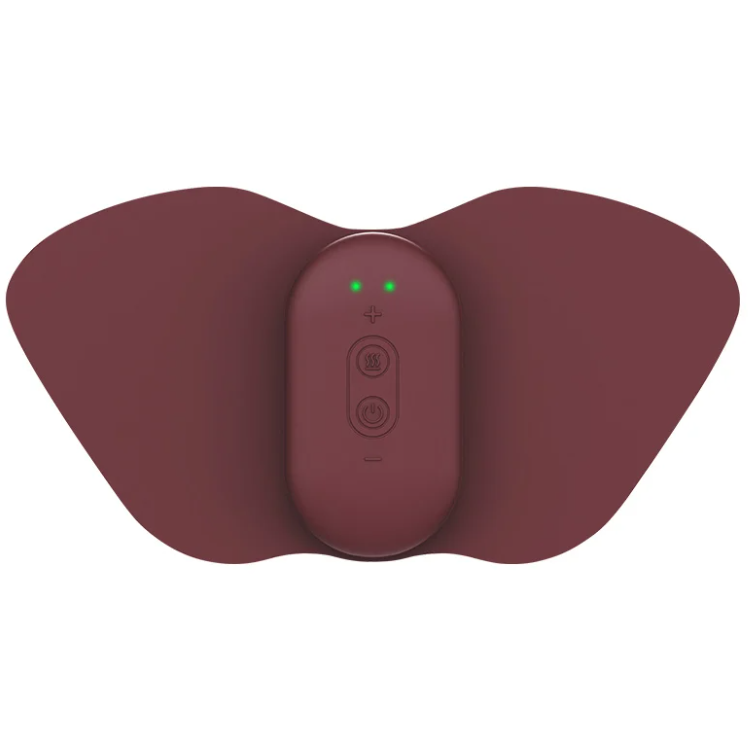
A tens device is not a magic box that erases pain. It is a small, battery-powered stimulator that sends short electrical pulses through adhesive pads placed on the skin. Those pulses travel along nerve fibers and interfere with the way pain signals reach the brain. The user feels a tingling, buzzing, or tapping sensation. That sensation is not the pain disappearing. It is the nervous system receiving a different, competing input. For many people with chronic back pain, arthritis, or post-surgical discomfort, that competition can make the pain feel less intense or less constant. The effect is real, but it is also temporary for most users, which is why expectations matter as much as the device itself.
The Gate Control Theory in Plain Terms
The standard explanation for TENS goes back to the gate control theory proposed by Melzack and Wall in 1965. Pain signals do not travel straight from the body to the brain without competition. They pass through a checkpoint in the spinal cord, where different nerve fibers can open or close the gate. Large-diameter fibers, activated by touch, pressure, and vibration, tend to close the gate. Small-diameter fibers, which carry pain and temperature signals, tend to open it. TENS pads recruit those large fibers. By flooding the spinal cord with non-painful sensory input, the device makes it harder for pain signals to get through.
That is the simplified version. The real picture involves descending pathways from the brain, endogenous opioid release, and changes in local blood flow. A 2017 Cochrane review looked at 20 trials of TENS for chronic pain and found low-quality evidence for pain relief in some conditions, with the strongest signal in diabetic neuropathy and less consistent results in low back pain. The review did not say TENS is useless. It said the studies were often small, poorly blinded, and inconsistent in how the device was used. That distinction matters.
Electrode Placement Matters More Than Most People Think
Two people can use the same TENS device on the same day and get completely different results. The difference often comes down to pad placement. Put the electrodes directly over the painful area, and the current may only reach superficial tissue. Move them so the current crosses a nerve pathway or spans a joint, and the effect can change dramatically. Clinicians who use TENS regularly tend to follow a few practical rules:
-
Keep the pads at least two inches apart so the current does not short across the skin.
-
Place them on either side of the pain source, not directly on top of a bony prominence.
-
For radiating pain, position one pad near the spine and one along the path of the nerve.
-
Adjust the frequency and pulse width to match the user's response, not just the label on the device.
| Pain Scenario | Typical Frequency | Common Placement | Evidence Strength |
|---|---|---|---|
| Chronic low back pain | 80 to 120 Hz | Paraspinal, straddling pain | Mixed |
| Diabetic neuropathy | 2 to 10 Hz or 80 to 120 Hz | Along the foot and ankle | Moderate |
| Post-surgical knee pain | 80 to 120 Hz | Around the incision, not on it | Moderate |
| Arthritis in the hand | 2 to 10 Hz | Across the joint line | Limited |
Where TENS Helps and Where It Falls Short
TENS tends to work best for pain with a clear peripheral source, such as nerve irritation, muscle strain, or joint inflammation. It is less reliable for central pain conditions, where the nervous system itself has become sensitized. Fibromyalgia, for example, often does not respond well to standard TENS protocols because the problem is not just at the site of pain. The same goes for some types of headache and visceral pain.
Habituation is another issue. Run the same frequency for too long, and the nervous system may stop responding as strongly. Many experienced users cycle between modes or take breaks between sessions. None of this means TENS should be dismissed. It means the device is a tool, not a cure. A good pain management plan usually combines TENS with movement, medication when appropriate, sleep, and stress management.
A Field Case from a Rehab Clinic in Southern China
A rehabilitation clinic in southern China was trying to help patients with chronic neck and shoulder pain. The initial protocol used two pads placed directly over the most painful trigger point. Patients reported relief during the session, but the effect faded within an hour. The clinic team tested a different approach. One pad went over the upper trapezius and the other over the cervical paraspinal muscles, so the current crossed the brachial plexus region. They also lowered the frequency from 100 Hz to 10 Hz for the first ten minutes, then switched to 100 Hz.
The change was not dramatic for everyone, but the average duration of relief increased from about 45 minutes to nearly three hours in a small follow-up group. The clinic did not claim a breakthrough. The team documented what happened and adjusted the protocol. That kind of practical iteration is where a lot of real-world TENS success comes from. It is also why device manufacturers need to support flexible settings rather than locking users into a single preset.
What to Look for in a TENS Device and How Manufacturing Fits In
When evaluating a TENS device, a few features matter more than marketing claims. Adjustable frequency and pulse width give users room to find what works. A clear display and simple controls reduce frustration. Rechargeable batteries and durable lead wires matter for daily use. For clinicians, impedance monitoring and session logging can help track what actually happened.
The less visible side is manufacturing quality. A TENS device is a medical electrical product, and consistency in output matters. Small variations in pulse amplitude or timing can change how the stimulation feels and whether it helps. That is why ISO 13485 quality systems, incoming component testing, and automated production checks are not just paperwork. They are the difference between a device that works the same way on day one and day three hundred.
SUNMAS has been building TENS and EMS devices since 2003, with a 30-engineer R&D center, a 150-member quality team, and a 5,000 square meter automated production facility. The brand supports OEM and ODM partners who need reliable manufacturing, stable supply, and documented quality processes. For anyone exploring the pain management market, that kind of foundation is worth a closer look.
Table of Contents
- What a TENS Device Actually Does to Pain Signals
- The Gate Control Theory in Plain Terms
- Electrode Placement Matters More Than Most People Think
- Where TENS Helps and Where It Falls Short
- A Field Case from a Rehab Clinic in Southern China
- What to Look for in a TENS Device and How Manufacturing Fits In

