
 EN



Why Home Physical Therapy Equipment Is Not Just a Convenience
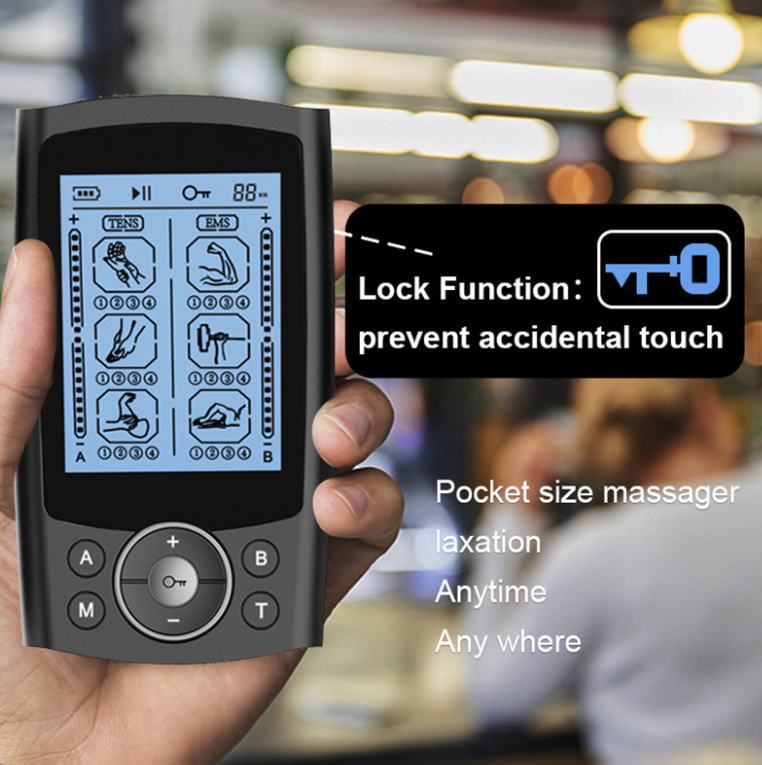
Outpatient clinics are busy. Insurance coverage often caps visits. Travel time, parking, and waiting rooms eat into the day. For someone recovering from knee replacement or managing chronic low back pain, two sessions per week may be all the formal care available. That leaves five or six days without guided movement. Home physical therapy equipment changes that math. A set of resistance bands, a portable TENS unit, an EMS device, or a red light panel does not replace a licensed therapist. It extends the therapist's plan into the hours and days when progress actually happens. The shift is practical, not ideological. When the equipment sits in the living room, the barrier to doing one more set or one more session drops.
The Clinical Logic Behind Consistent At-Home Sessions
Healing tissue responds to frequency and load, not just intensity. Tendons, muscles, and joint capsules adapt through repeated mechanical and neurological signals. A single clinic visit can teach an exercise, but the repetition needed for strength and motor control happens between visits. Clinical guidelines from the American Physical Therapy Association often list home exercise programs as a core part of care for chronic low back pain and knee osteoarthritis. A 2019 Cochrane review of telerehabilitation for musculoskeletal conditions also reported that remote and home-based programs can produce pain and function outcomes similar to in-person care for some patient groups. That does not mean every condition can be managed at home. It means the home setting is a legitimate part of the treatment continuum, not a lesser substitute.
What Professional-Grade Actually Means in a Home Setting
Professional-grade does not mean hospital bulky. It means predictable output, safe limits, and controls that match clinical intent. A consumer muscle stimulator may offer three vague modes and a dial. A professional home unit typically provides adjustable frequency, pulse width, ramp time, and independent channels. Those details matter for conditions like post-surgical quadriceps inhibition or neuropathic pain, where the wrong parameter can be uncomfortable or ineffective. Electrode quality also separates categories. Cheap pads lose adhesion and deliver uneven current. Clinical-grade pads with standardized connectors keep impedance stable across sessions. The table below shows where the categories tend to differ.
| Feature | Consumer-Grade | Professional Home Unit | Clinic-Grade |
|---|---|---|---|
| Output consistency | Variable | Calibrated and repeatable | Tight tolerance |
| Adjustable parameters | Limited presets | Multiple modes and channels | Full clinical control |
| Electrode compatibility | Proprietary | Standard connectors | Broad compatibility |
| Session data | Rare | Basic history | Full record integration |
Key Benefits That Show Up in Real Recovery Plans
The benefits of home physical therapy equipment tend to appear in everyday routines rather than dramatic breakthroughs.
-
Access. Sessions happen without a commute, which matters for people in rural areas or with limited mobility.
-
Frequency. Daily or twice-daily use can support motor learning and pain modulation better than twice-weekly clinic visits alone.
-
Privacy and comfort. Some patients avoid clinic-based electrical stimulation because of embarrassment or anxiety. Home use removes that barrier.
-
Cost control. Co-pays, transportation, and time off work add up. A home device can reduce the number of paid visits while supporting the same plan.
-
Caregiver involvement. Family members can help with setup and tracking, which improves follow-through.
None of these benefits are automatic. A device without a plan is just hardware. The clinical value comes from matching the tool to the diagnosis, the stage of healing, and the user's ability to operate it correctly.
A Field Case from a Home Care Rollout in Northern Europe
A home care provider in Northern Europe rolled out a post-operative rehabilitation kit for knee and hip replacement patients. The kit included a portable EMS unit, a TENS module, and a heating pad. Early feedback was mixed. Some patients loved the convenience. Others complained that the electrode cables did not fit the pads supplied by the clinic, and a few reported that the stimulation felt stronger on one side than the other. The provider traced the issue to two problems. First, connector standards were not consistent across suppliers. Second, the devices had not been calibrated after shipping, so output drifted slightly between units.
The fix was not a new marketing claim. It was a manufacturing and packaging change. The supplier switched to standardized lead connectors, added a simple self-check routine at startup, and included a printed setup card with pictures instead of dense text. Follow-up surveys showed fewer setup calls and better confidence among patients. The clinical team also noted that patients who used the kit consistently were more likely to complete their home exercise logs. The lesson was clear. In home care, small engineering details decide whether a therapy plan gets followed.
Matching Device Capability with Manufacturing Discipline
Home physical therapy equipment lives in a harsher environment than a clinic. It gets dropped, stored in bathrooms, and used by people who are not clinicians. That reality puts pressure on manufacturing quality. Consistent pulse output, durable connectors, clear labeling, and reliable battery performance are not premium features. They are baseline requirements for safe home use. Quality systems such as ISO 13485 and MDSAP help ensure that devices are built and traced under recognized medical standards. Certifications like FDA 510(k), Medical CE, and UL add another layer of verification for different markets.
SUNMAS has been manufacturing TENS, EMS, and related therapy devices since 2003. The company operates a 30-engineer R&D center, a 150-member quality team, and a 5,000 square meter automated production facility. For brands and clinics building home rehabilitation programs, that kind of manufacturing depth supports stable supply, consistent output, and documentation that stands up to regulatory review. The best home therapy equipment is not the one with the longest feature list. It is the one that works the same way every time someone reaches for it.
Table of Contents
- Why Home Physical Therapy Equipment Is Not Just a Convenience
- The Clinical Logic Behind Consistent At-Home Sessions
- What Professional-Grade Actually Means in a Home Setting
- Key Benefits That Show Up in Real Recovery Plans
- A Field Case from a Home Care Rollout in Northern Europe
- Matching Device Capability with Manufacturing Discipline

