
 EN



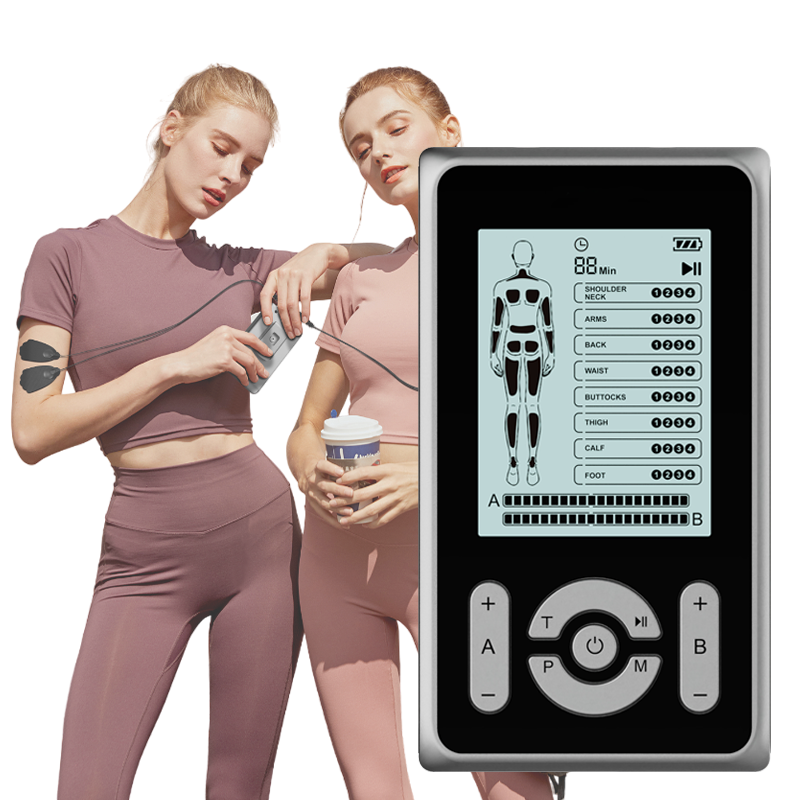
Start With a Clear Picture of Where the Pain Sits
Setting up a tens machine for the first time can feel like unpacking a small kit with too many wires and not enough instructions. The device itself is simple, but the setup choices matter more than most beginners expect. Before touching an electrode, the first step is to map the pain. Not just "my back hurts," but where exactly it starts, how far it spreads, and what kind of sensation it is. Aching, burning, sharp, and cramping pain patterns often call for different starting points.
A useful habit is to trace the painful area with a finger and note whether it follows a joint line, a muscle belly, or a nerve path. For low back pain, the target is often parallel to the spine rather than directly on it. For knee pain, electrodes usually work better above and below the joint line than on the kneecap itself. This is not a cosmetic detail. Electrode position determines which nerve fibers get recruited, and that shapes the entire session.
Electrode Placement Is Not Guesswork
Electrodes should sit on clean, dry skin with good adhesion. Oily skin, lotion residue, or sweat can weaken the contact and create uneven current distribution. A quick wipe with a damp cloth and a dry-off is usually enough. Hairy areas may need trimming rather than shaving, since small nicks can sting during stimulation.
Placement follows a few practical rules:
-
Keep electrodes at least a couple of inches apart so current can flow through the target area rather than concentrate at one point.
-
Avoid placing electrodes directly over bony prominences, where skin is thin and current density can spike.
-
Route lead wires so they do not pull on the electrodes when the body moves.
-
Check that the electrode edges are flat against the skin, not lifted or wrinkled.
A common beginner mistake is placing electrodes too close together. That concentrates current near the surface and can feel sharp without reaching the deeper nerve fibers that matter for pain modulation. Spacing them wider often produces a more comfortable and more effective session.
Dialing In Frequency, Pulse Width, and Intensity
Most tens machines offer preset programs, but understanding the three core settings helps avoid guesswork. Frequency is measured in hertz. Lower frequencies around 2 to 10 Hz tend to produce a muscle-twitch sensation and are often used for aching or inflammatory pain. Higher frequencies above 80 Hz produce a steadier tingling and are commonly used for sharper pain patterns. Pulse width is measured in microseconds. Shorter pulses feel gentler, while longer pulses recruit more nerve fibers but may feel sharper. Intensity should be raised slowly until a strong but comfortable tingling appears. Pain is not the goal.
The table below compares common setup choices and their practical effects.
| Setting | Common Starting Range | What It Feels Like | Practical Note |
|---|---|---|---|
| Frequency | 2 to 10 Hz or 80 to 120 Hz | Twitching or steady tingling | Match to pain pattern, not habit |
| Pulse width | 100 to 250 microseconds | Gentle to sharper | Start shorter, adjust gradually |
| Intensity | Strong but comfortable | Tingling, not pain | Raise slowly, one step at a time |
| Session length | 20 to 60 minutes | Gradual buildup | Check skin after each session |
A beginner does not need to chase the perfect setting on day one. A reasonable starting point is a mid-range frequency, a moderate pulse width, and an intensity that feels clearly present but never painful. Adjust one variable at a time so the effect of each change is clear.
A Simple Setup Routine That Prevents Most Mistakes
A repeatable routine cuts down on small errors. Start by washing and drying the skin. Place the electrodes before turning the device on. Set frequency and pulse width first, then raise intensity from zero. Sit or lie in a comfortable position so the electrodes stay flat. Set a timer rather than relying on feel, since the sensation can fade as the nervous system adapts. When the session ends, turn intensity down before removing electrodes, then peel them slowly and press the adhesive side back onto its liner.
In a home care pilot in southern China, a rehabilitation team noticed that new users often skipped the skin preparation step and placed electrodes directly over the kneecap after knee surgery. The result was inconsistent contact and frequent complaints of sharpness. After the team introduced a one-page setup card with a simple sequence, skin wipe, electrode placement above and below the joint line, intensity raised slowly, the number of calls about uncomfortable sessions dropped noticeably. The hardware did not change. The routine did.
When the First Session Feels Wrong
A first session that feels sharp, uneven, or ineffective is usually a setup issue, not a device failure. Sharpness often comes from electrodes that are too close together, worn hydrogel, or intensity raised too quickly. Uneven sensation can come from one electrode lifting at the edge or from dry skin under one pad. If the tingling is barely noticeable, check that the electrodes are fully adhered and that the intensity is high enough to be clearly felt.
The Cochrane review of randomized trials found moderate-quality evidence that TENS reduces pain intensity in chronic musculoskeletal pain compared with sham stimulation, but it also noted that study protocols vary widely. That variability is a useful reminder. A session that does not work on the first try is not proof that the method fails. It may simply mean the parameters or placement need adjustment.
Safety Rules That Belong on the Fridge Door
A tens machine is not appropriate for every situation. People with implanted electronic devices such as pacemakers or spinal cord stimulators should not use TENS without medical clearance. Electrodes should never go over the eyes, the front of the neck, the head, or broken skin. Pregnant users should consult a healthcare provider before using TENS on the abdomen or lower back. Anyone with unexplained pain, severe acute pain, or pain linked to a serious medical condition should seek proper evaluation rather than self-treat.
Responder rates are another honest limitation. Roughly 20 to 30 percent of users report little or no benefit, and there is no reliable way to predict who will respond. Electrode quality also matters more than most beginners expect. Worn or low-cost electrodes with uneven conductivity can cause hot spots and skin irritation. Medical-grade hydrogel electrodes tend to produce more consistent results and better comfort.
For partners building tens machine products, setup guidance is part of the product experience. SUNMAS, the core brand of Hong Qiangxing (Shenzhen) Electronics Co., Ltd., has been manufacturing home medical therapy devices since 2003. The operation includes a 5,000 square meter automated production facility, a 30-engineer R&D center, and a 150-member quality team. Its quality management system is certified to ISO 13485 and MDSAP, and selected products carry FDA 510(k), Medical CE, and UL certifications. That combination of production capacity and regulatory coverage helps turn a well-designed TENS concept into a product that can meet the testing and supply chain demands of international buyers.

