
 EN



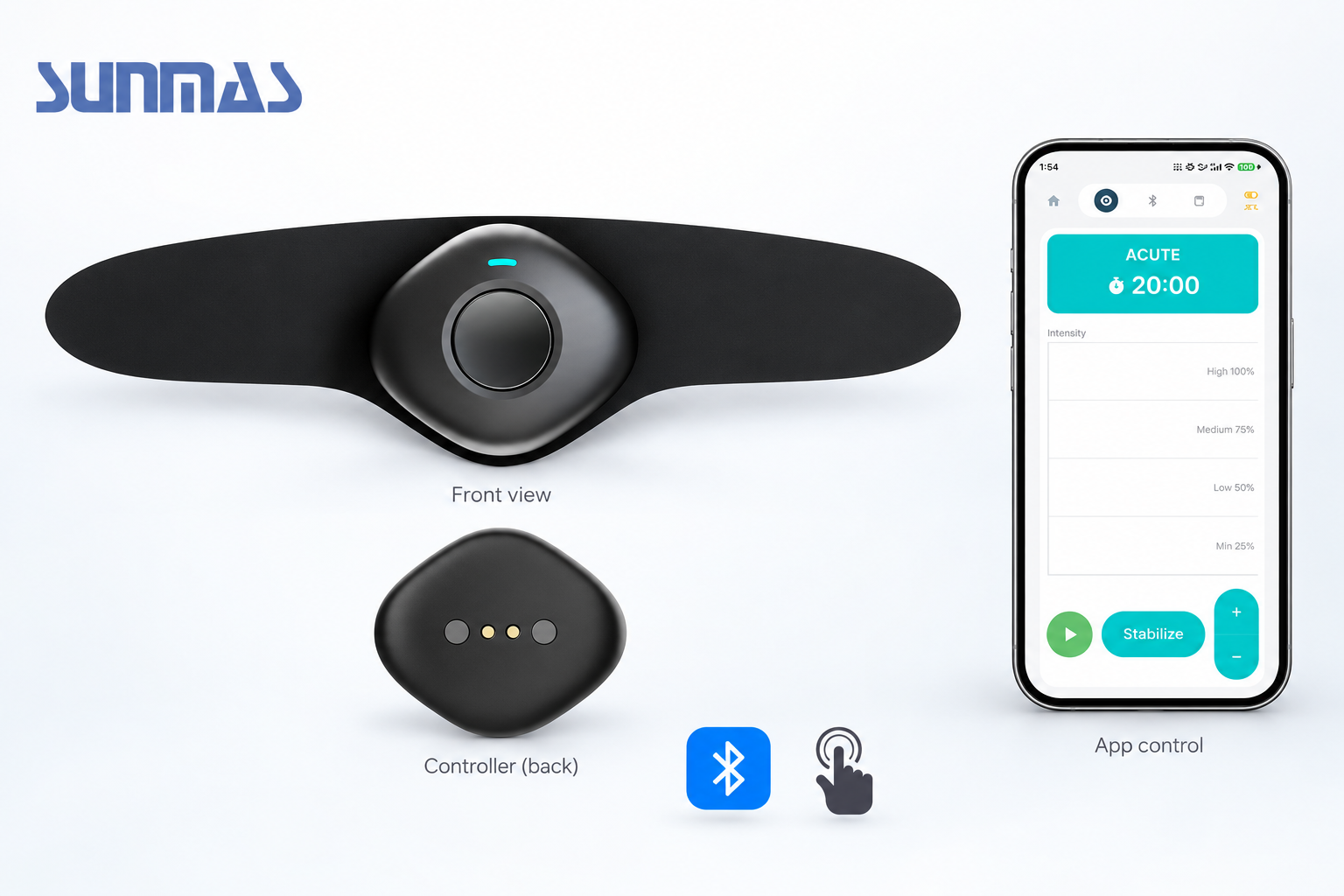
What Transcutaneous Electrical Nerve Stimulation Actually Does
Transcutaneous electrical nerve stimulation is a non-invasive method of delivering controlled electrical pulses through the skin to activate specific nerve fibers. A small device generates the current, and self-adhesive electrodes carry it to targeted areas on the body. The pulses are adjustable in frequency, pulse width, and intensity, which is why the same basic technology can be used for low back pain, postoperative discomfort, arthritis, menstrual cramps, and several other pain patterns.
The concept is not new. Clinical interest in electrical nerve stimulation grew through the 1970s, and modern devices have become smaller, more precise, and easier for home users to operate. Regulatory frameworks in the United States and Europe classify most TENS units as low-risk medical devices when they are used according to their labeled indications. That classification matters because it sets expectations. TENS is not a cure for an underlying condition. It is a symptom management tool that changes how pain signals are processed.
A common misunderstanding is that TENS works like a simple numbing agent. In practice, the stimulation engages spinal and supraspinal pain modulation systems, and the response depends heavily on how the device is set up. Two users with the same diagnosis can get very different results if their electrode placement, frequency, or treatment duration differs.
How Electrical Pulses Change Pain Signaling
The gate control theory remains the most practical explanation for why TENS can reduce pain perception. Large-diameter afferent fibers, which carry touch and pressure information, are activated by electrical stimulation. These fibers conduct signals faster than the smaller fibers that carry pain information. When both types of signals arrive at the spinal cord, the larger fibers effectively reduce the transmission of pain signals upward to the brain. This is not a vague metaphor. It reflects a real interaction between competing sensory inputs at the dorsal horn.
A second mechanism involves descending inhibition and endogenous opioid release. Research published in peer-reviewed pain journals has shown that stimulation at certain frequencies can increase measurable endorphin activity. That helps explain why some users report relief that lasts beyond the treatment session itself. The effect is variable, and it is one reason clinical guidelines tend to describe TENS as an adjunct rather than a standalone solution.
Frequency selection is not a cosmetic setting. Lower frequencies around 2 to 10 Hz tend to produce a muscle-twitch sensation and are often associated with endorphin-mediated effects. Higher frequencies above 80 Hz produce a more continuous tingling and are used more for direct gate control. Pulse width also matters. Very short pulses may be comfortable but insufficient for some users, while longer pulses can recruit more fibers but may feel sharper.
Matching Stimulation Settings to the Pain Pattern
Good application starts with a simple assessment: where is the pain, what does it feel like, and what makes it worse? Electrodes are typically placed on or around the painful area, but precise placement follows dermatomal patterns rather than guesswork. For a knee replacement incision, for example, placing electrodes on either side of the incision may be less effective than targeting the relevant nerve distribution above and below the joint line.
The table below summarizes common starting points used in clinical practice. These are not universal recipes, and individual response should guide adjustments.
| Parameter | Common Starting Range | Practical Consideration |
|---|---|---|
| Frequency | 2 to 10 Hz or 80 to 120 Hz | Lower for aching, inflammatory patterns; higher for sharper pain |
| Pulse width | 100 to 250 microseconds | Shorter pulses feel gentler; longer pulses recruit more fibers |
| Intensity | Strong but comfortable tingling | Should not be painful; muscle contraction is not the goal |
| Session length | 20 to 60 minutes | Longer is not always better; skin checks matter |
| Electrode placement | Around or over the painful area | Follow nerve distribution and avoid bony prominences |
Skin preparation is another detail that separates a smooth session from an irritating one. Clean, dry skin improves electrode adhesion and current distribution. Hairy areas may need trimming rather than shaving, since small nicks can sting during stimulation. Electrodes should be replaced when the hydrogel dries out or the edges start to lift. Worn electrodes create uneven current density, which can cause hot spots and inconsistent results.
Clinical Evidence Across Common Pain Conditions
The evidence base for TENS is uneven, and that is worth stating plainly. A Cochrane review of randomized trials found moderate-quality evidence that TENS reduces pain intensity in chronic musculoskeletal pain compared with sham stimulation. Postoperative pain studies are more mixed. Some trials report meaningful reductions in analgesic use, while others find little difference from placebo. Osteoarthritis of the knee has a moderate evidence base, particularly when TENS is combined with exercise. Menstrual pain has supportive evidence for short-term relief.
The mixed picture does not mean the technology is unreliable. It means study protocols vary widely in stimulation parameters, electrode placement, and treatment duration. A trial that uses a fixed 80 Hz setting for all participants may miss responders who need low-frequency stimulation or different electrode targeting. Clinicians who use TENS well tend to treat it as a adjustable intervention, not a fixed prescription.
Safety limits are also clear. TENS should not be used by people with implanted electronic devices such as pacemakers or spinal cord stimulators unless specifically cleared by a physician. It should not be placed over the eyes, the front of the neck, the head, or broken skin. Pregnant users should consult a healthcare provider before using it around the abdomen or lower back. These are not rare edge cases. They are standard contraindications that belong in every user conversation.
A Field Example Where Electrode Placement Made the Difference
A rehabilitation team working with total knee replacement patients in southern China started with a standard protocol: 80 Hz, 200 microsecond pulse width, electrodes placed on both sides of the surgical incision, 30 minutes per session. The results were acceptable but not impressive. Roughly half of the patients reported meaningful relief, and the rest described the stimulation as tolerable but not particularly helpful.
The team changed two things. First, they began asking patients to describe the pain pattern during the first session. Patients with a diffuse, aching, inflammatory presentation were switched to low-frequency stimulation in the 2 to 10 Hz range. Patients with sharper, more neuropathic-type pain stayed at higher frequencies but received electrodes placed along the relevant dermatomal distribution rather than simply flanking the incision. Second, session length was adjusted based on response, with some patients doing better at 20 minutes and others needing closer to 45 minutes.
After three months of using this more individualized approach, the proportion of patients reporting at least 40 percent pain relief increased from around half to more than three quarters. The device hardware did not change. The application did. That outcome reinforced a point that experienced clinicians already know: TENS is a skill-based intervention, and parameter selection is part of the skill.
Safety Limits and Honest Expectations
TENS is not appropriate for every pain problem. Roughly 20 to 30 percent of users report little or no benefit, and researchers do not yet have a reliable way to predict who will respond. For severe acute pain, unexplained pain, or pain associated with a serious medical condition, TENS should not delay proper diagnosis and treatment. It is also not a substitute for medication tapering or medical care when those are needed.
Electrode quality deserves more attention than it usually gets. Low-cost electrodes with uneven conductivity can cause skin irritation, hot spots, and inconsistent stimulation. Medical-grade hydrogel electrodes with uniform impedance tend to produce more predictable results and better comfort. Users should also check skin condition after each session, especially in areas with reduced sensation.
For partners building TENS products, manufacturing discipline matters as much as the clinical concept. SUNMAS, the core brand of Hong Qiangxing (Shenzhen) Electronics Co., Ltd., has been manufacturing home medical therapy devices since 2003. The operation includes a 5,000 square meter automated production facility, a 30-engineer R&D center, and a 150-member quality team. Its quality management system is certified to ISO 13485 and MDSAP, and selected products carry FDA 510(k), Medical CE, and UL certifications. That kind of infrastructure helps turn a promising TENS concept into a product that can meet the documentation, testing, and supply chain demands of international markets.
Table of Contents
- What Transcutaneous Electrical Nerve Stimulation Actually Does
- How Electrical Pulses Change Pain Signaling
- Matching Stimulation Settings to the Pain Pattern
- Clinical Evidence Across Common Pain Conditions
- A Field Example Where Electrode Placement Made the Difference
- Safety Limits and Honest Expectations

