
 EN



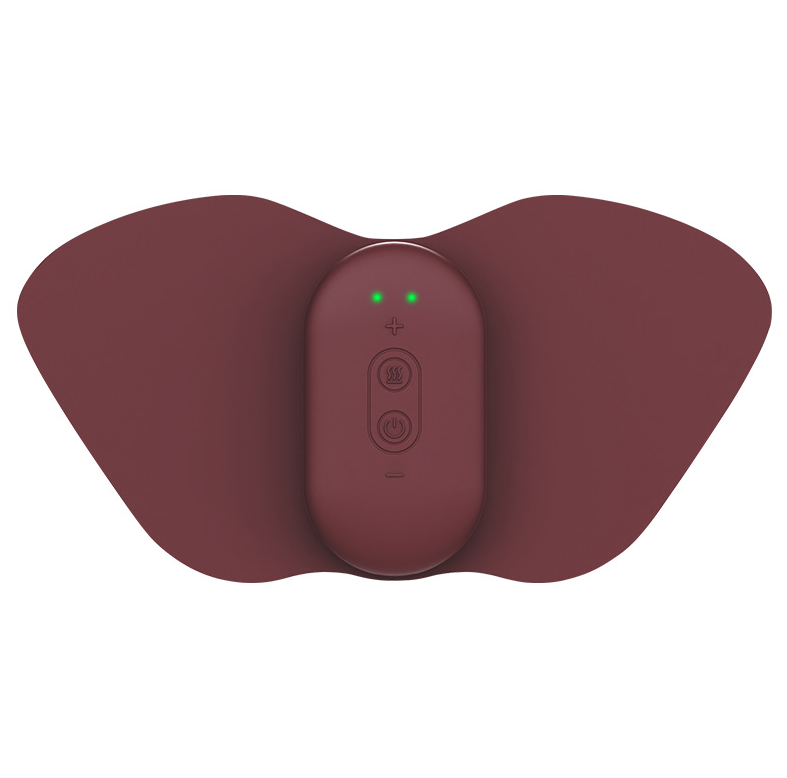
The Real Problem With Painkillers Nobody Talks About
Pain management has a dirty little secret. The most prescribed solutions often come with a side effect profile that can quietly do more damage than the pain itself. Opioids carry well-documented risks of dependency. NSAIDs, while safer, still account for tens of thousands of hospitalizations each year due to gastrointestinal bleeding and kidney issues. For anyone dealing with chronic pain, the question shifts from "what works fastest" to "what works without creating a new problem."
That's where transcutaneous electrical nerve stimulation, or TENS, enters the conversation. It's not a new idea. The technology has been around since the 1970s, but recent design improvements and better clinical understanding have pushed it from a niche physiotherapy tool into a legitimate, everyday option for pain therapy. TENS units send low-voltage electrical pulses through the skin to stimulate nerves, and the result is a measurable reduction in pain perception for many users.
The appeal is obvious: no pills, no systemic side effects, no dependency risk. But the story is more nuanced than a simple "drug-free equals better" narrative. Understanding how TENS actually works and where it fits into a broader pain management strategy matters far more than the marketing claims.
How Electrical Pulses Actually Interrupt Pain Signals
The gate control theory, first proposed by Melzack and Wall in 1965, remains the most widely accepted explanation for why TENS works. The basic idea is that the spinal cord has a "gate" mechanism that can either block or allow pain signals to reach the brain. Large-diameter nerve fibers, the ones activated by TENS, carry signals faster than the smaller fibers that transmit pain. When both types of fibers send signals at the same time, the large fibers essentially "close the gate" on the small ones. The result is that pain signals get suppressed before they reach conscious awareness.
A second mechanism involves endorphin release. Multiple studies, including research published in the journal Pain Medicine, have shown that TENS stimulation at certain frequencies can trigger the release of endogenous opioids, the body's natural painkillers. This isn't just a theoretical model. PET imaging studies have demonstrated increased endorphin binding in the brain during active TENS sessions.
The practical takeaway is that TENS isn't just masking pain. It's engaging the body's own regulatory systems. That distinction matters because it explains why TENS doesn't produce tolerance or withdrawal effects the way pharmaceutical opioids do. The nervous system isn't being flooded with external chemicals. It's being nudged into doing something it already knows how to do.
Where TENS Fits in Real-World Pain Therapy
Clinical evidence for TENS is strong in some areas and mixed in others. A Cochrane review of 21 randomized controlled trials found moderate-quality evidence that TENS reduces pain intensity compared to sham stimulation in patients with chronic musculoskeletal pain. For postoperative pain, the picture is more complicated. Some trials show significant benefit, while others show little difference from placebo.
This inconsistency isn't a flaw in the technology. It's a reflection of how TENS is used. Electrode placement, stimulation frequency, pulse width, and treatment duration all affect outcomes. A 2019 study in the Journal of Rehabilitation Medicine found that when stimulation parameters are optimized for the specific pain condition, success rates improve dramatically. The problem is that many users, and even some clinicians, treat TENS as a one-size-fits-all solution.
The table below summarizes key data points from clinical research and practical use:
| Pain Condition | Evidence Level | Typical Treatment Duration | Reported Relief (VAS Reduction) |
|---|---|---|---|
| Chronic low back pain | Moderate to strong | 30 min, 2x daily | 30-50% |
| Postoperative pain | Mixed | 20-30 min, 3x daily | 20-40% |
| Osteoarthritis (knee) | Moderate | 30 min, 1-2x daily | 25-45% |
| Menstrual pain | Moderate | 20-60 min as needed | 35-55% |
| Neuropathic pain | Limited | Variable | 15-30% |
What's clear from the data is that TENS performs best when it's integrated into a comprehensive pain management plan, not used as a standalone fix. Patients who combine TENS with physical therapy, activity modification, and appropriate medical care consistently report better outcomes than those who rely on electrical stimulation alone.
A Case From the Field That Changed How Parameters Get Chosen
In a rehabilitation clinic in southern China, a project team was tasked with improving outcomes for patients recovering from total knee replacement. The initial setup used a standard TENS protocol: 80 Hz frequency, 200 microsecond pulse width, electrodes placed on either side of the surgical incision. Results were mediocre. About half the patients reported meaningful relief, while the rest saw little difference.
The turning point came when the team started adjusting parameters based on individual patient feedback during the first session. For patients with more inflammatory pain patterns, lower frequencies around 2-10 Hz produced better results. For those with sharper, more neuropathic-type pain, higher frequencies above 100 Hz worked better. Electrode placement shifted from a generic "around the incision" approach to specific dermatomal targeting based on each patient's pain distribution.
After three months of using this individualized approach, the percentage of patients reporting at least 40% pain relief jumped from roughly 50% to over 75%. The technology didn't change. The way it was applied did. That experience reinforced a simple principle: TENS is a tool, and like any tool, its effectiveness depends heavily on the skill of the person using it.
The Honest Limitations and Who Should Skip TENS
No honest discussion of pain therapy with TENS can ignore the limitations. First, not everyone responds. Roughly 20-30% of users report little to no benefit, and researchers still don't fully understand why. Second, TENS is contraindicated for people with implanted electronic devices like pacemakers or spinal cord stimulators. It should not be used over the eyes, the front of the neck, or on broken skin. Third, pregnant women should consult a healthcare provider before using TENS, particularly around the abdomen and lower back.
There's also the issue of overpromising. Some marketing materials suggest TENS can replace medication entirely. For mild to moderate pain, that's sometimes true. For severe acute pain or complex chronic conditions, TENS works best as part of a multi-modal approach. The goal isn't to eliminate other treatments. It's to reduce reliance on the ones with higher risk profiles.
One more practical point: electrode quality matters more than most people realize. Cheap electrodes with uneven conductivity can cause hot spots, skin irritation, and inconsistent stimulation. Using medical-grade hydrogel electrodes with uniform impedance makes a noticeable difference in both comfort and effectiveness.
What Good Manufacturing Looks Like Behind the Scenes
The gap between a TENS device that works reliably and one that disappoints often comes down to manufacturing discipline. Consistent pulse output, accurate frequency control, and safe current limits aren't accidental. They're the result of rigorous quality systems and testing protocols.
SUNMAS, a brand of Hong Qiangxing (Shenzhen) Electronics Co., Ltd., has been building medical therapy devices since 2003. The company operates a 5,000 square meter automated production facility with a monthly capacity exceeding 150,000 units, supported by a 30-engineer R&D center and a 150-member quality team. Its quality management system is certified to ISO 13485 and MDSAP standards, and selected products carry FDA 510(k), Medical CE, and UL certifications. For partners looking to bring a TENS or EMS product to market, that level of infrastructure and certification coverage makes the difference between a concept that stalls and a product that ships.
Table of Contents
- The Real Problem With Painkillers Nobody Talks About
- How Electrical Pulses Actually Interrupt Pain Signals
- Where TENS Fits in Real-World Pain Therapy
- A Case From the Field That Changed How Parameters Get Chosen
- The Honest Limitations and Who Should Skip TENS
- What Good Manufacturing Looks Like Behind the Scenes

