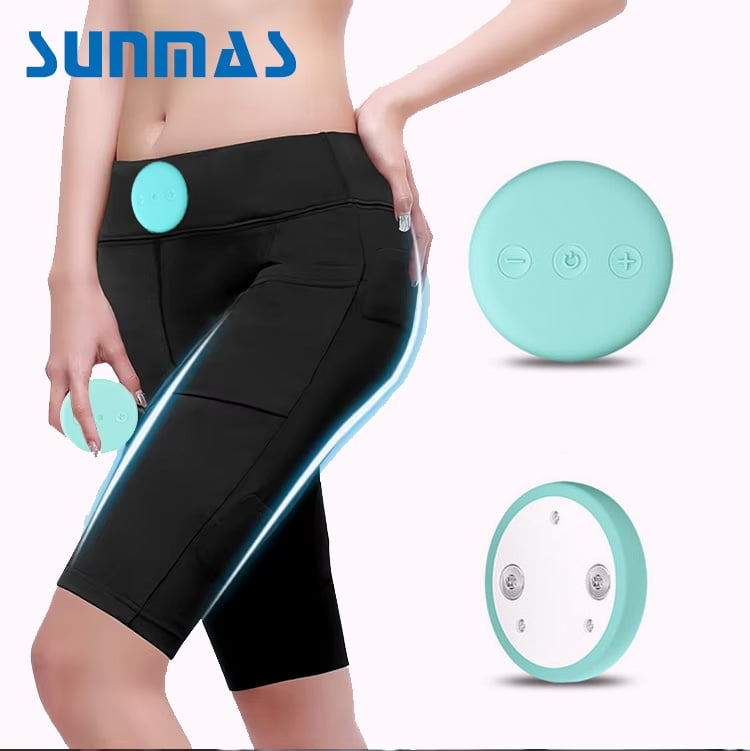
For brands planning to launch TENS devices, EMS muscle stimulators, wireless electrotherapy products, or private label pain relief devices, one of the first questions is whether to choose OEM or ODM manufacturing. Many buyers use these two terms interchangeably, but they are not the same. Understanding the difference between OEM and ODM can help buyers control cost, shorten development time, reduce compliance risk, and choose the right manufacturing partner.
TENS devices are not ordinary consumer electronics. They involve electrical stimulation technology, skin-contact accessories, output safety, battery performance, product claims, user instructions, labeling, packaging, and market compliance. For this reason, the choice between OEM and ODM affects far more than the logo on the product. It influences product differentiation, development timeline, testing requirements, minimum order quantity, tooling cost, and long-term brand competitiveness.
This guide explains the difference between OEM and ODM for TENS devices, when to choose each model, what customization options are available, and how brand owners can work with a professional TENS manufacturer to build a successful electrotherapy product line.
Quick Answer: What Is the Difference Between OEM and ODM for TENS Devices?
OEM for TENS devices usually means using an existing product model from a manufacturer and customizing it with the buyer’s brand elements, such as logo, packaging, user manual, label, color, and sometimes accessories. OEM is suitable for buyers who want to launch faster, reduce development cost, and test the market with a proven product.
ODM for TENS devices means the manufacturer supports deeper product development based on the buyer’s requirements. ODM may include product appearance design, internal structure adjustment, stimulation mode development, intensity level design, waveform adjustment, electrode pad customization, APP interface development, Bluetooth control logic, packaging system design, and sometimes new tooling. ODM is suitable for brands that want product differentiation, exclusive features, or a unique product line.
In simple terms, OEM is closer to private labeling an existing TENS device, while ODM is closer to developing a customized TENS solution with the manufacturer.
1. What Does OEM Mean for TENS Devices?
OEM stands for Original Equipment Manufacturing. In the TENS industry, OEM usually means that the manufacturer already has a mature product model, and the buyer uses that product as the base for brand customization.
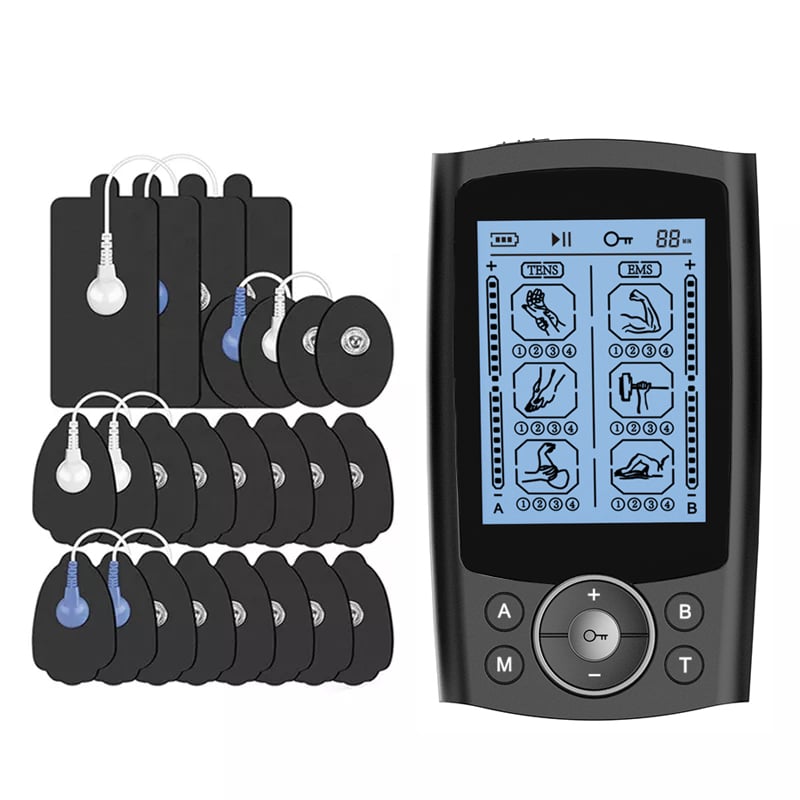
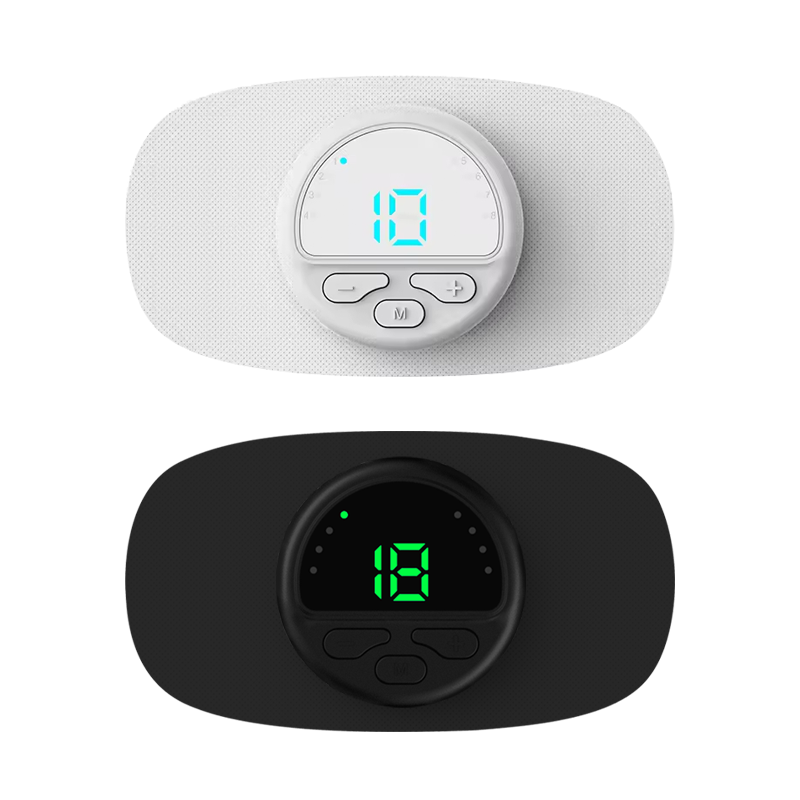
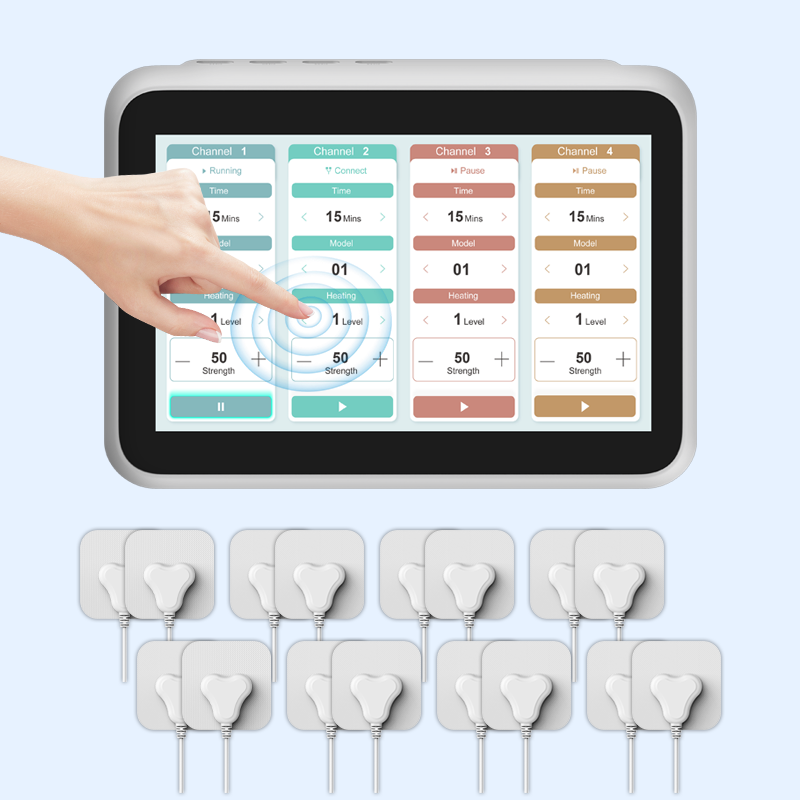
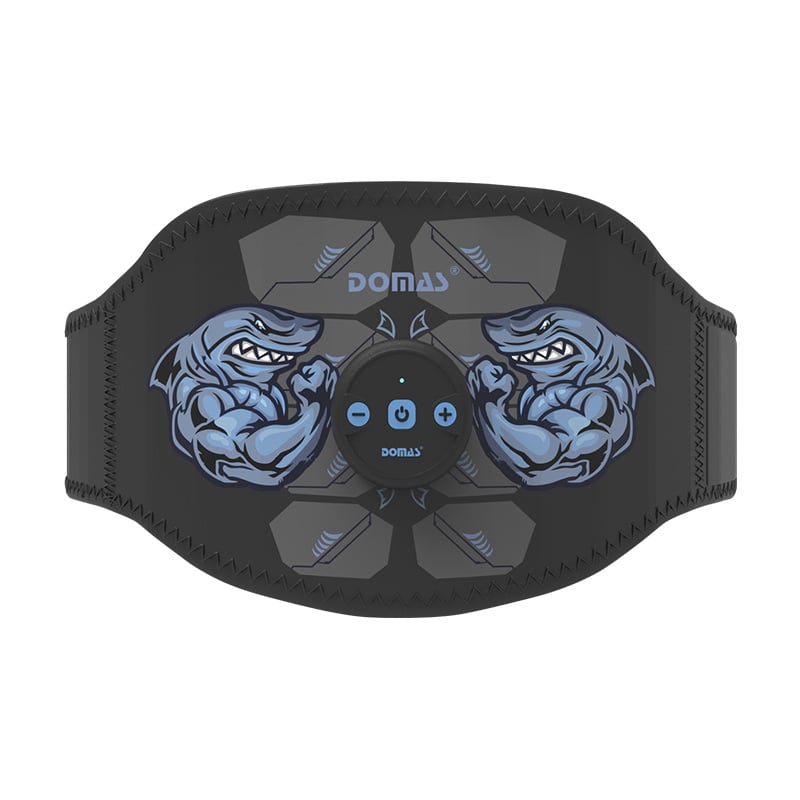
For example, a buyer may choose an existing dual-channel TENS device, wireless TENS patch, menstrual pain relief TENS device, EMS belt, or touchscreen TENS machine from the manufacturer’s product catalog. The buyer then adds their own brand logo, packaging design, user manual, color preference, label information, and sometimes customized accessories.
Common OEM customization options include:
* Brand logo printing
* Product color adjustment
* Packaging box design
* User manual customization
* Label and barcode customization
* Electrode pad packaging
* Accessory combination
* Multi-language instructions
* Product bundle design
* Retail packaging design
OEM is often the best option for buyers who want to enter the market quickly. Since the product already exists, the development time is shorter, the cost is lower, and the risk is more controllable. Buyers can test market demand before investing in deeper product development.
For example, an Amazon seller may start with an existing handheld TENS unit or wireless TENS patch, customize the packaging, create a user-friendly manual, and launch under their own brand. If the product performs well, the buyer can later upgrade to ODM development for a more differentiated version.
2. What Does ODM Mean for TENS Devices?
ODM stands for Original Design Manufacturing. In a TENS device project, ODM means that the manufacturer helps the buyer create or modify a product based on specific market needs.
ODM is not limited to logo and packaging. It can involve product design, functional design, hardware development, software development, APP development, electrode pad design, charging structure, mode design, intensity control, and user experience optimization.
ODM customization may include:
* New product appearance
* New housing structure
* Custom electrode pad shape
* Custom stimulation modes
* Custom intensity levels
* Frequency and pulse width adjustment
* TENS and EMS function combination
* Heating function integration
* APP control development
* Bluetooth connection logic
* One-control-multiple-device system
* Touchscreen interface design
* Remote control design
* Charging case design
* Type-C or magnetic charging design
* New packaging system
* Market-specific product version
ODM is suitable for buyers who want to create a product that is different from common market models. For example, a brand may want to develop an APP-controlled wireless TENS system with six independent main units, or a menstrual pain relief TENS patch with heating and multiple wearing options, or an EMS belt with customized modes and remote control.
Compared with OEM, ODM usually requires more communication, longer development time, higher MOQ, sample testing, tooling cost, software testing, and sometimes additional compliance evaluation. However, ODM also gives the brand stronger product differentiation and long-term competitive advantage.
3. OEM vs ODM: Key Differences
The main difference between OEM and ODM is the level of customization.
| Comparison Item | OEM TENS Device | ODM TENS Device |
| ----------------------- | ------------------------------------------- | --------------------------------------------------------- |
| Product base | Existing product model | Existing model modified or newly developed |
| Customization depth | Logo, packaging, manual, color, accessories | Structure, function, software, APP, electrode pad, design |
| Development time | Shorter | Longer |
| Development cost | Lower | Higher |
| MOQ | Usually lower | Usually higher |
| Tooling cost | Usually not required | May be required |
| Product uniqueness | Medium to low | Higher |
| Market launch speed | Faster | Slower |
| Technical communication | Simple | More detailed |
| Best for | Market testing and private label | Brand differentiation and exclusive products |
For many buyers, the best strategy is not choosing only one model forever. A practical approach is to start with OEM to test the market, then move to ODM once product positioning, customer feedback, and sales channels become clearer.
4. When Should You Choose OEM for TENS Devices?
OEM is a good choice when speed, cost control, and market testing are the main goals.
You should consider OEM if:
* You are launching your first TENS product
* You want to test market demand quickly
* You do not have a complete product design yet
* You want lower development risk
* You need a smaller MOQ
* You prefer a proven product model
* You mainly need logo and packaging customization
* You want to sell through Amazon, Shopify, retail, or distributors
* You want to build a product line before investing in exclusive development
OEM is especially useful for private label projects. Buyers can select from existing product categories such as handheld TENS devices, wireless TENS patches, dual-channel TENS units, EMS belts, EMS foot patches, or menstrual pain relief TENS devices.
A well-selected OEM product can still be competitive if the buyer invests in better packaging, clearer instructions, stronger branding, product education, and after-sales support. Many successful health and wellness brands start with OEM products before moving into ODM development.
However, OEM also has limitations. Since other buyers may use similar product models, the product may not be fully exclusive. If the buyer wants unique functions, special appearance, APP interface, or patented structure, ODM may be more suitable.
5. When Should You Choose ODM for TENS Devices?
ODM is a better choice when the buyer wants stronger differentiation, exclusive features, or a product designed around a specific user scenario.
You should consider ODM if:
* You already understand your target users
* You want to create a unique TENS device
* You need customized stimulation modes
* You need APP control or Bluetooth control
* You want a new electrode pad shape
* You want to combine TENS, EMS, heating, or massage functions
* You need a special wearable structure
* You want a product for a specific scenario such as menstrual pain, back pain, sports recovery, or muscle training
* You want stronger brand positioning
* You are preparing a long-term product line
ODM is especially valuable for buyers who want to avoid direct price competition. In the TENS and EMS market, many basic products look similar. A customized product can help a brand stand out through design, function, user experience, packaging, and product storytelling.
For example, a standard wireless TENS patch may be easy to copy. But an APP-controlled wireless TENS system with independent device control, customized electrode pad shape, heating function, and branded APP interface can create a stronger competitive barrier.
6. How OEM Works in a TENS Project
A typical OEM TENS project usually follows these steps:
1. Product selection
The buyer chooses an existing TENS or EMS product from the manufacturer’s catalog.
2. Requirement confirmation
The buyer confirms logo, color, packaging, manual, accessories, target market, and order quantity.
3. Quotation
The manufacturer provides pricing based on product model, quantity, packaging, customization requirements, and lead time.
4. Sample preparation
The manufacturer provides a standard sample or customized sample for buyer testing.
5. Packaging and artwork confirmation
The buyer provides packaging artwork, logo files, label information, and manual content. The manufacturer checks whether the files are suitable for production.
6. Sample approval
The buyer confirms the product sample, packaging sample, and accessory combination.
7. Mass production
The factory begins production according to confirmed requirements.
8. Quality inspection
The manufacturer conducts product inspection before shipment. The buyer may also arrange third-party inspection.
9. Shipment
Products are packed and shipped according to the buyer’s logistics plan.
OEM projects are usually easier to manage because the product itself is already developed. The main work is customization, confirmation, testing, and production coordination.
7. How ODM Works in a TENS Project
A typical ODM TENS project is more complex because it involves product development or major modification.
An ODM project may include these steps:
1. Market requirement analysis
The buyer explains target users, market positioning, product scenario, price range, and functional requirements.
2. Product proposal
The manufacturer suggests possible product solutions based on technical feasibility, cost, timeline, and existing development experience.
3. Function definition
Both sides confirm stimulation modes, intensity levels, output channels, control method, battery capacity, charging method, electrode pad design, APP requirements, and packaging direction.
4. Industrial design or structure modification
If a new appearance or structure is needed, the design team creates product drawings or 3D design proposals.
5. Hardware and software development
The engineering team develops or modifies PCBA, firmware, control logic, screen interface, Bluetooth function, or APP system.
6. Prototype development
The manufacturer prepares prototypes for testing and review.
7. Testing and adjustment
The buyer and manufacturer test function, stimulation feeling, comfort, stability, battery performance, APP response, and overall user experience.
8. Tooling or production preparation
If new molds are required, tooling will be developed and tested.
9. Pilot production
A small batch may be produced to verify production stability.
10. Mass production
After final approval, the product enters mass production.
ODM requires more time and investment, but it gives the buyer more control over product differentiation and long-term brand value.
8. Cost Difference Between OEM and ODM
OEM usually has a lower starting cost because the product already exists. The buyer mainly pays for samples, logo customization, packaging design, and mass production. If the buyer does not require major changes, there may be no tooling cost.
ODM usually requires a higher initial investment. Costs may include design, engineering development, software development, APP development, prototype production, mold cost, testing, packaging development, and additional validation.
However, the higher cost of ODM should not only be seen as an expense. It can also become a brand investment. A differentiated product may support better pricing, stronger customer loyalty, lower direct competition, and more stable long-term sales.
For buyers with limited budget, OEM is often the safer first step. For buyers with clear market positioning and sales channels, ODM can create stronger competitive value.
9. MOQ Difference Between OEM and ODM
MOQ depends on product type, customization depth, component supply, packaging requirements, and production planning.
For OEM projects, MOQ is usually lower because the product is already mature and production materials may be easier to arrange. Simple logo or packaging customization may require a manageable MOQ.
For ODM projects, MOQ is usually higher because the manufacturer needs to cover development cost, tooling cost, material preparation, engineering time, and production setup. If the project involves custom molds, new PCBA, special electrode pads, APP development, or exclusive components, the MOQ may increase.
Buyers should be realistic about MOQ. A supplier may be willing to support low MOQ for testing, but deep customization usually requires a stronger order plan.
10. Compliance Considerations for OEM and ODM TENS Devices
Compliance should be considered at the beginning of both OEM and ODM projects. TENS devices may be regulated differently depending on the target market, intended use, claims, product classification, and technical design.
For OEM projects, the buyer should confirm whether the selected model has existing test reports, technical documentation, product specifications, labeling information, and previous market experience. The buyer should also confirm whether the product claims and instructions are suitable for the target market.
For ODM projects, compliance planning is even more important because changes in structure, output parameters, software, APP control, electrode pads, intended use, or labeling may affect testing and documentation requirements.
A professional TENS manufacturer should be able to support buyers with:
* Product specifications
* Technical files
* Test reports when available
* Risk management documents
* User manual information
* Labeling support
* Material information
* Production records
* Quality system documents
* Certification-related documentation support
The manufacturer should not casually guarantee market approval. Instead, it should help buyers prepare reliable technical documentation and work with the buyer’s regulatory consultant or certification body when needed.
11. Why Software and APP Capability Matter in ODM Projects
In the modern TENS and EMS market, product differentiation increasingly depends on smart control and user experience. This is especially true for wireless TENS devices, APP-controlled EMS belts, multi-device electrotherapy systems, and wearable pain relief products.
Software and APP capability can support:
* Bluetooth connection
* Independent device control
* Multi-host control
* Mode selection
* Intensity adjustment
* Timer setting
* User interface customization
* Language customization
* Firmware logic
* APP visual design
* User guidance
* Product upgrade planning
For example, if a buyer wants one APP to control six wireless TENS main units independently, the manufacturer needs more than basic assembly capability. It needs hardware design, firmware development, Bluetooth communication, APP development, and repeated testing.
This is why buyers planning ODM projects should evaluate whether the manufacturer has true engineering capability, not only product catalogs.
12. Which Model Is Better for Your Brand?
There is no single correct answer. The better model depends on your business stage.
Choose OEM if you are:
* A new brand testing the market
* A distributor adding a new product line
* An Amazon seller looking for faster launch
* A buyer with limited development budget
* A company that needs standard products with branding
* A brand that wants to validate demand first
Choose ODM if you are:
* A brand with clear product positioning
* A company that wants exclusive features
* A buyer targeting mid-to-high-end markets
* A brand building a long-term product portfolio
* A team with specific user insights
* A company that wants APP control, wireless design, or special functions
Many brands use a combined strategy. They start with OEM to understand customers, then develop ODM products based on real market feedback. This reduces risk and makes product development more accurate.
13. How Hongqiangxing Supports Both OEM and ODM TENS Projects
Hongqiangxing Electronics is a Shenzhen-based manufacturer specializing in TENS, EMS, electrotherapy, and home healthcare devices. Since 2003, Hongqiangxing has supported global buyers with OEM and ODM manufacturing for pain relief devices, muscle stimulators, wireless electrotherapy products, APP-controlled systems, and private label healthcare products.
For OEM projects, Hongqiangxing can support buyers with existing product models, brand customization, packaging design, user manual customization, electrode pad options, accessory combinations, sample preparation, production quality control, and shipment coordination.
For ODM projects, Hongqiangxing can support deeper product development, including appearance design, function customization, stimulation mode adjustment, electrode pad shape design, wireless control systems, APP-controlled TENS and EMS devices, remote-controlled multi-device systems, and product upgrade planning.
Hongqiangxing’s product range includes:
* Handheld TENS devices
* Touchscreen TENS units
* Wireless TENS patches
* Mid-frequency TENS devices
* Menstrual pain relief TENS devices
* EMS belts
* EMS training pants and shorts
* EMS abdominal muscle patches
* EMS foot patches
* tDCS-related devices
* Multi-function beauty devices
With more than 20 years of industry experience, ISO13485 quality management capability, MDSAP-related quality system experience, FDA 510(k) cleared product project experience, and support for CE/MDR-related documentation preparation, Hongqiangxing can help buyers choose the right manufacturing path based on their product stage, market plan, and customization needs.
For buyers who want fast market entry, Hongqiangxing can provide OEM private label solutions. For buyers who want stronger differentiation, Hongqiangxing can provide ODM development support for customized TENS, EMS, wireless electrotherapy, and APP-controlled healthcare products.
14. Decision Checklist: OEM or ODM?
Before choosing OEM or ODM, buyers can ask the following questions:
1. Do we need to launch quickly?
2. Do we already have a clear product design?
3. Do we only need logo and packaging customization?
4. Do we need exclusive appearance or functions?
5. Do we need APP control or Bluetooth control?
6. Do we need custom stimulation modes?
7. Do we need special electrode pad shapes?
8. Do we have enough budget for development?
9. Do we have enough order volume for ODM?
10. Is our target market highly competitive?
11. Do we need a unique product story?
12. Do we need compliance support for a specific market?
13. Do we want to test demand first?
14. Do we want to build a long-term product line?
If speed and low risk are the main goals, OEM may be the better choice. If differentiation and long-term brand value are the main goals, ODM may be the better choice.
FAQ: OEM vs ODM for TENS Devices
1. Is OEM suitable for a new TENS brand?
Yes. OEM is often suitable for new TENS brands because it allows buyers to launch faster with lower development risk. The buyer can use an existing product model and customize the logo, packaging, manual, and accessories.
2. Is ODM better than OEM?
ODM is not always better. It depends on the buyer’s goal. OEM is better for fast launch and market testing. ODM is better for brands that need unique design, exclusive functions, APP control, or stronger product differentiation.
3. Can I start with OEM and upgrade to ODM later?
Yes. This is a practical strategy. Many brands start with OEM to understand customer needs and market demand. After collecting feedback, they develop ODM products with improved functions, design, or user experience.
4. What can be customized in an OEM TENS project?
In an OEM project, common customization options include logo, color, packaging, user manual, label, barcode, electrode pad packaging, accessory combination, and retail bundle.
5. What can be customized in an ODM TENS project?
ODM customization can include product appearance, structure, stimulation modes, intensity levels, frequency, pulse width, electrode pad shape, charging method, APP interface, Bluetooth control, remote control, heating function, and packaging system.
6. Does ODM require new tooling?
Not always. If the project only modifies functions or software based on an existing structure, new tooling may not be required. If the buyer needs a new appearance, new housing, or special structure, tooling may be needed.
7. Which is faster, OEM or ODM?
OEM is usually faster because the product already exists. ODM takes longer because it may involve design, engineering, prototypes, testing, tooling, and pilot production.
8. Which is cheaper, OEM or ODM?
OEM usually has a lower starting cost. ODM requires more investment because it may involve design, engineering, software development, tooling, and testing. However, ODM can create stronger long-term product value.
9. Can a TENS ODM manufacturer develop APP-controlled products?
Yes, if the manufacturer has software and hardware development capability. Buyers should confirm whether the supplier can support Bluetooth control, APP UI/UX, firmware, independent device control, and testing.
10. How do I know which model is right for my brand?
If you want fast launch and lower risk, choose OEM. If you want product differentiation and exclusive features, choose ODM. If you are unsure, a good strategy is to start with OEM and move to ODM after validating market demand.
Conclusion
OEM and ODM are two different paths for launching TENS devices. OEM is suitable for faster market entry, lower development cost, and private label projects based on existing products. ODM is suitable for brands that want customized functions, unique design, APP control, wireless systems, or long-term product differentiation.
For TENS and EMS products, the right choice depends on the buyer’s business stage, budget, target market, product positioning, and long-term brand strategy.
A professional manufacturer should not simply push one option. Instead, it should help the buyer evaluate whether OEM or ODM is more suitable based on real project needs.
Hongqiangxing Electronics supports both OEM and ODM manufacturing for TENS, EMS, wireless electrotherapy devices, APP-controlled systems, and private label healthcare products. Whether buyers need a ready-to-brand TENS device or a customized smart electrotherapy solution, Hongqiangxing can provide manufacturing, engineering, customization, and quality control support from concept to mass production.
 ×
×
 Hot News


 EN
EN