Choosing the right TENS OEM manufacturer in China is one of the most important decisions for healthcare brands, Amazon sellers, distributors, and medical device startups planning to launch or expand an electrotherapy product line. A TENS device is not just a simple electronic product. It involves electrical stimulation technology, user safety, skin-contact accessories, regulatory requirements, quality control, product design, packaging, and long-term after-sales support.
For buyers, the right TENS OEM manufacturer can help reduce development risks, shorten product launch timelines, improve product reliability, and support compliance preparation for target markets such as the United States, Europe, Australia, Canada, Japan, South Korea, Brazil, and Southeast Asia. The wrong supplier, however, can lead to unstable product quality, delayed shipments, unclear documentation, poor customization support, and potential market access problems.
This guide explains how global buyers can evaluate a TENS OEM manufacturer in China from a practical sourcing perspective. It covers certifications, manufacturing capability, R&D strength, wireless TENS and APP development experience, quality control, customization options, communication efficiency, and long-term cooperation value.
Quick Answer: What Makes a Good TENS OEM Manufacturer?
A reliable TENS OEM manufacturer should have medical device manufacturing experience, a structured quality management system, stable production capability, strong R&D resources, proven electrotherapy product knowledge, and the ability to support OEM and ODM customization. For international buyers, important factors include ISO13485 quality management, experience with FDA 510(k) cleared product projects, CE/MDR-related documentation support, MDSAP-related quality system capability, electrical safety testing, production traceability, and experience serving global brands.
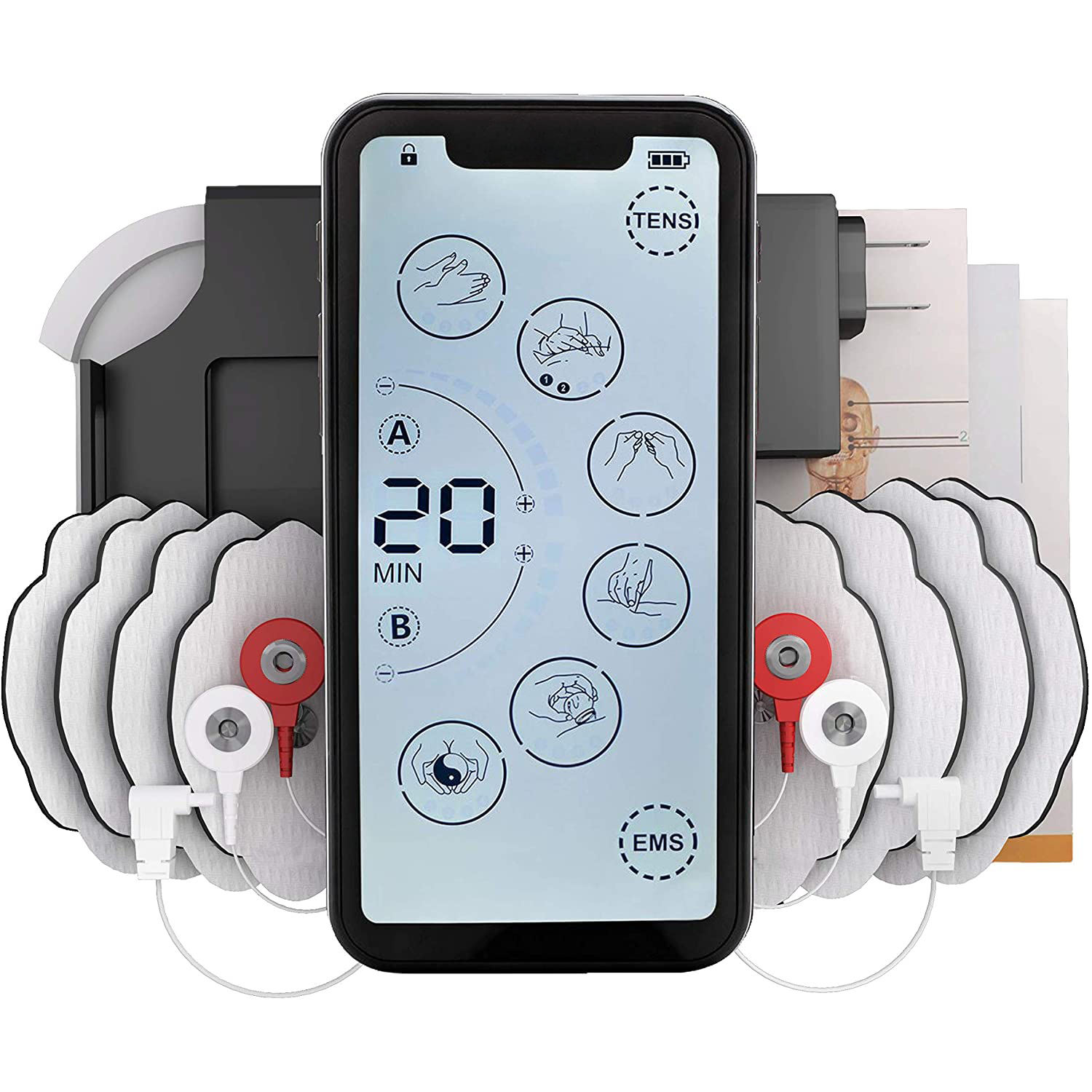
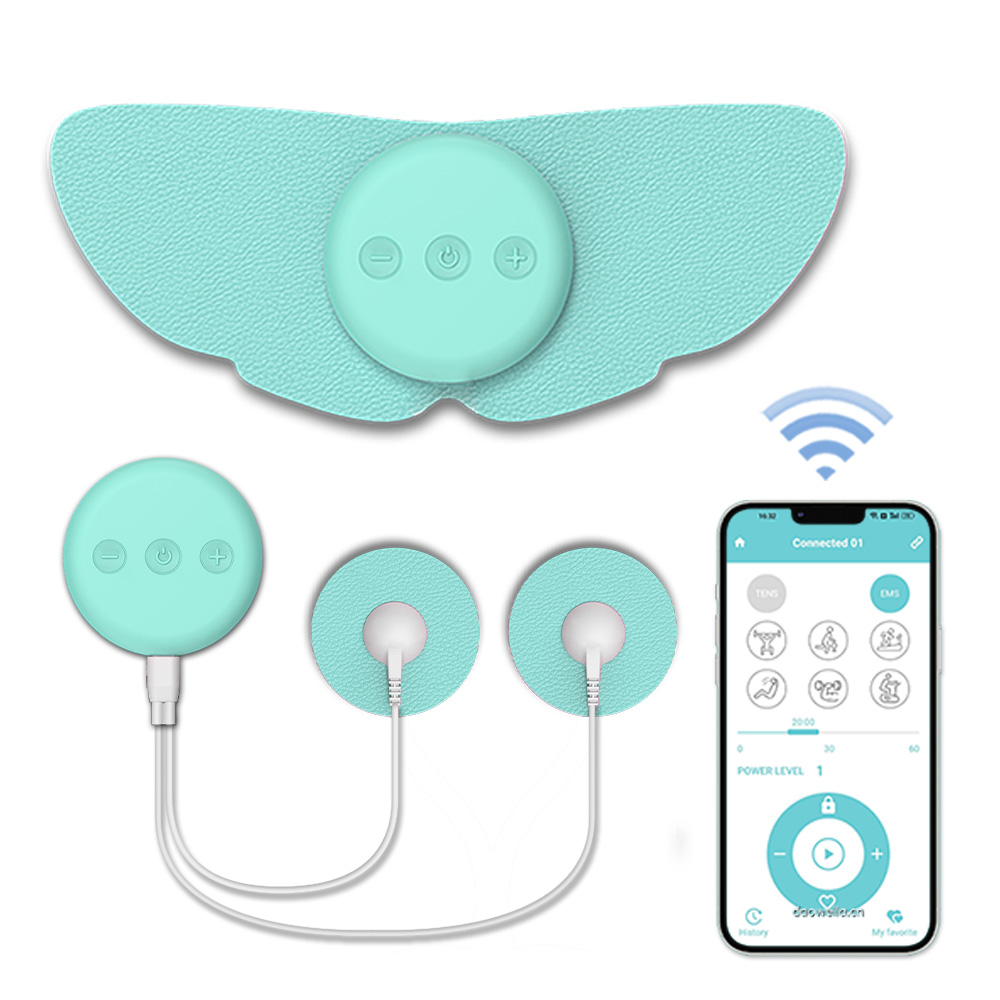
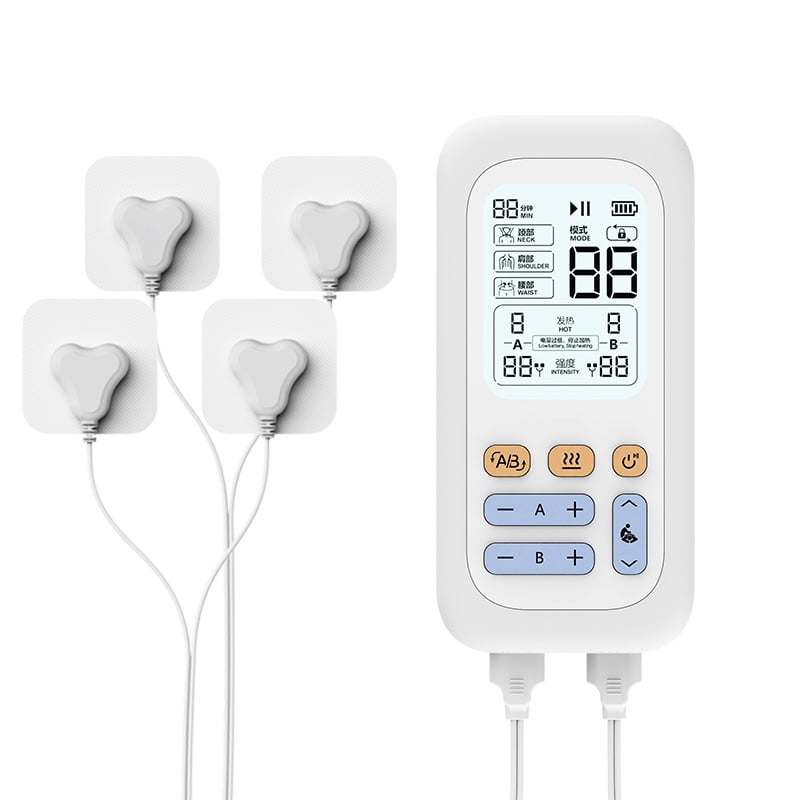
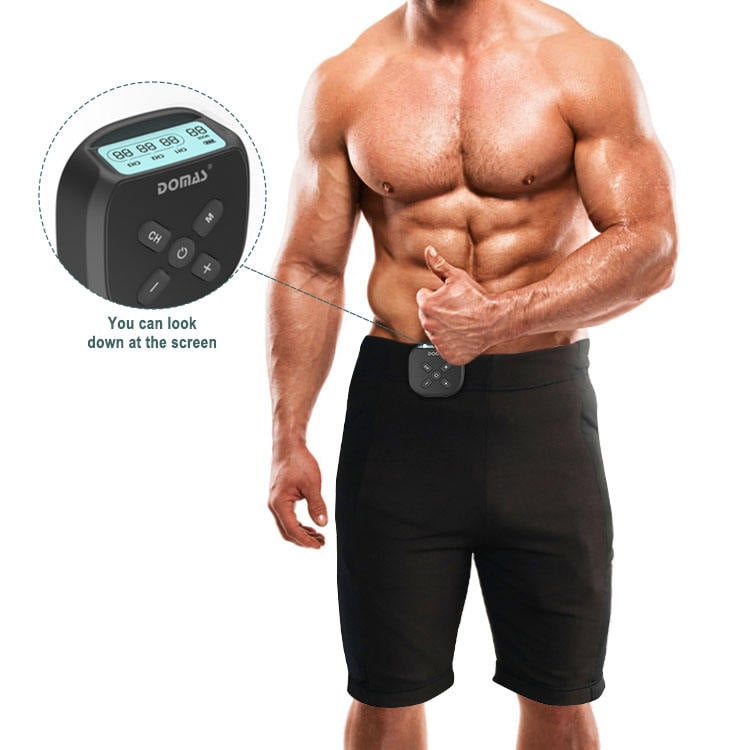
A strong TENS OEM supplier should also understand the differences between product types, such as handheld TENS units, touchscreen TENS devices, wireless TENS patches, dual-channel TENS machines, mid-frequency TENS devices, menstrual pain relief TENS patches, EMS belts, EMS training pants, EMS abdominal muscle stimulators, and APP-controlled wireless electrotherapy systems.
For brands that want to build long-term product competitiveness, it is better to choose a manufacturer with both hardware and software customization capability instead of a basic trading company or assembly-only factory.
1. Confirm Whether the Supplier Is a Real Manufacturer
The first step is to confirm whether the supplier is a real TENS manufacturer or only a trading company. Many suppliers can list TENS devices online, but not all of them own production lines, engineering teams, testing equipment, or quality control systems.
A real TENS OEM manufacturer should be able to show:
* Factory address and production area
* Production lines for assembly and inspection
* Incoming material inspection process
* Functional testing process
* Aging test or reliability test process
* QC team and engineering team
* Product development records
* Existing product models
* OEM and ODM project experience
* Packaging, labeling, and documentation support
This matters because TENS devices require stable output performance, safe electrical stimulation, consistent electrode connection, battery reliability, charging safety, and long-term user comfort. If the supplier does not control manufacturing directly, it may be difficult to manage product consistency and solve technical problems quickly.
When evaluating a TENS OEM factory in China, buyers should not only look at product photos. They should ask for factory videos, production process photos, quality control flow, certificate copies, product test reports, and examples of previous OEM projects.
2. Check Medical Device Quality System Capability
TENS devices are often sold in health, wellness, pain relief, rehabilitation, and medical device channels. Therefore, buyers should pay attention to quality system capability from the beginning.
ISO13485 is one of the most important quality management standards for medical device manufacturers. It shows that the manufacturer has a quality management system designed for medical device production, risk control, documentation, traceability, and regulatory expectations.
A qualified TENS OEM manufacturer should be familiar with:
* ISO13485 quality management
* Product traceability
* Supplier control
* Incoming material inspection
* In-process quality control
* Finished product inspection
* Risk management documentation
* Corrective and preventive action
* Complaint handling
* Change control
* Production records
For buyers, this is especially important when the product will be sold through professional healthcare channels, pharmacy channels, Amazon medical device categories, rehabilitation distributors, or regulated markets.
A supplier may offer a low price, but if the quality system is weak, the buyer may face higher risks later, including unstable product batches, inconsistent stimulation performance, customer complaints, product returns, and documentation problems during compliance review.
3. Understand FDA 510(k), CE/MDR, and Market Compliance Support
For global TENS brands, product compliance is one of the most important sourcing factors. A good TENS OEM manufacturer does not replace the buyer’s regulatory consultant, but it should be able to provide technical documents, test reports, product specifications, labeling information, and previous compliance experience to support the buyer’s market entry process.
For the U.S. market, many TENS devices may be subject to FDA requirements, and certain products may require 510(k) clearance depending on device type, intended use, and classification. Buyers should avoid suppliers who casually say “FDA certificate” without explaining what the product, clearance, registration, listing, or documentation actually refers to.
A more professional supplier will discuss:
* Whether the product has relevant 510(k) experience
* Whether the product design is based on an existing cleared model
* Whether technical files and test reports are available
* Whether labeling and intended use are aligned with the target market
* Whether product claims need to be reviewed carefully
* Whether the buyer needs independent regulatory confirmation
For Europe, buyers should pay attention to CE marking under the applicable medical device regulation framework, including MDR-related conformity assessment when applicable. The exact route depends on device classification, intended use, risk level, technical documentation, and whether a Notified Body is involved.
For other markets such as Canada, Australia, Brazil, Japan, South Korea, and Southeast Asia, the buyer may also need specific registration or local compliance support. This is why working with a manufacturer that has international export experience is valuable.
A reliable TENS OEM factory should not overpromise compliance. Instead, it should provide clear documentation support and help buyers prepare the necessary files for their own regulatory pathway.
4. Evaluate R&D Capability, Not Just Existing Models
Many buyers begin by asking, “Do you have this product?” But for OEM and ODM projects, a better question is, “Can you develop and modify the product based on our market needs?”
A strong TENS OEM manufacturer should have internal R&D capability, including hardware engineers, software engineers, industrial design support, structural design capability, firmware development, APP development resources, and testing support.
R&D capability is especially important for projects such as:
* Wireless TENS devices
* APP-controlled TENS patches
* Multi-device wireless TENS systems
* TENS and EMS combination devices
* Mid-frequency TENS units
* Menstrual pain relief TENS patches with heating
* EMS belts with remote control or APP control
* EMS training pants and shorts
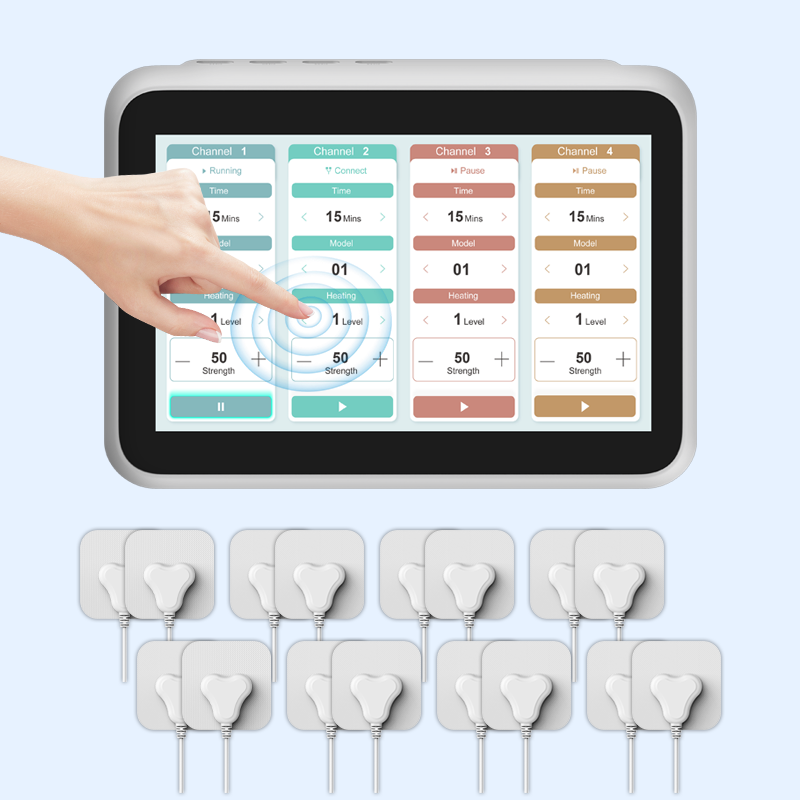
* Smart electrotherapy systems with independent channel control
* Customized electrode pads and connection methods
A basic supplier may only change the logo and packaging. A stronger OEM/ODM manufacturer can support deeper customization, such as stimulation modes, intensity levels, waveform adjustment, electrode pad shape, charging interface, material selection, device structure, button layout, screen interface, APP UI/UX, Bluetooth control logic, and packaging design.
For brands that want to create differentiated products, R&D capability is often more important than the lowest unit price.
5. Review Product Portfolio and Technical Focus
A professional TENS manufacturer should have a focused and related product portfolio. If a supplier sells TENS devices, phone cases, LED lights, toys, and unrelated products at the same time, it may not be a specialized electrotherapy manufacturer.
For a TENS and EMS OEM project, buyers should look for a manufacturer with experience in related categories such as:
* Handheld TENS units
* Dual-channel TENS devices
* Touchscreen TENS devices
* Wireless TENS patches
* APP-controlled TENS systems
* Mid-frequency TENS devices
* Menstrual pain relief TENS devices
* EMS muscle stimulators
* EMS belts
* EMS training pants and shorts
* EMS abdominal muscle patches
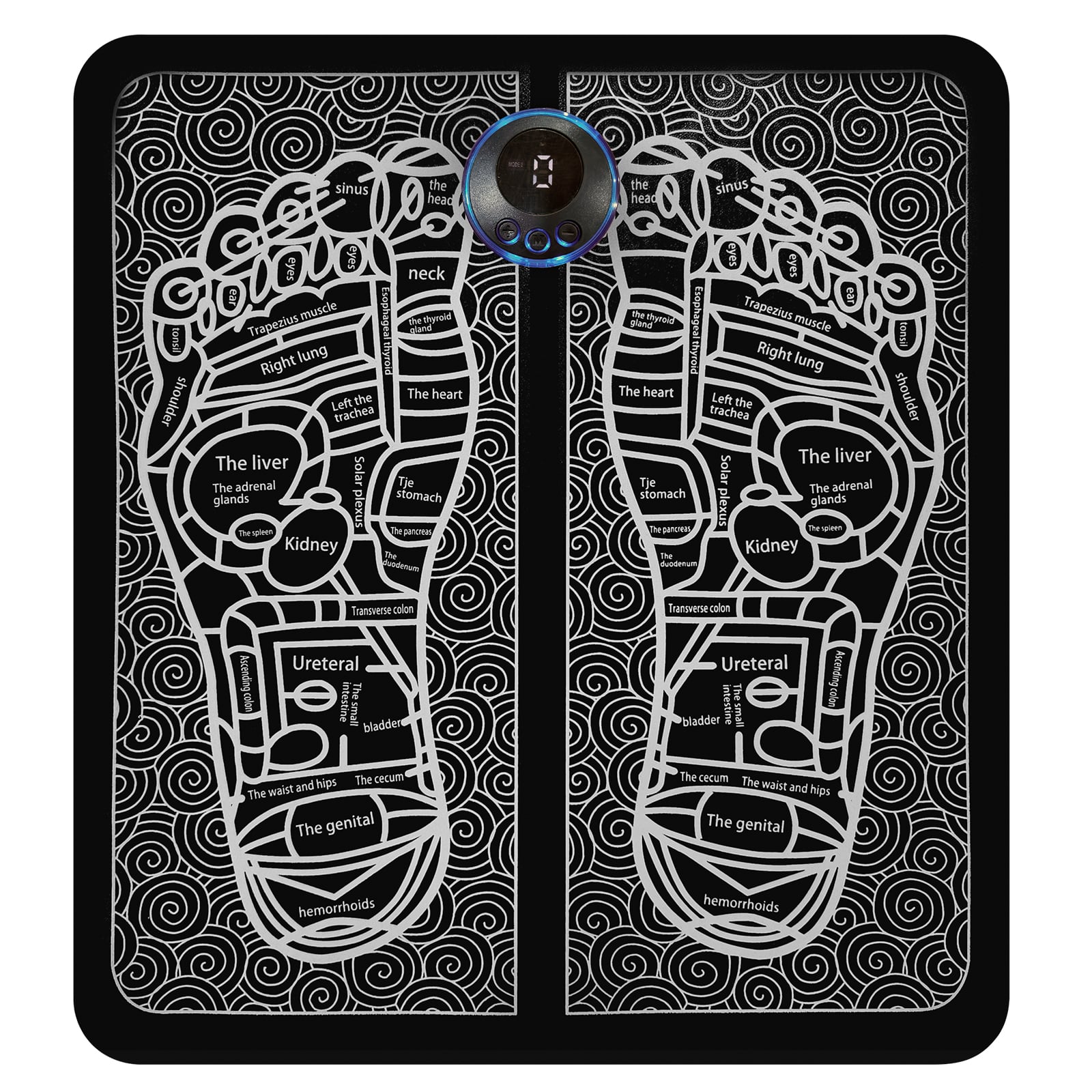
* EMS foot patches
* Electrode pads and accessories
A focused product portfolio usually means the supplier has accumulated technical knowledge in electrical stimulation, skin-contact comfort, electrode connection, mode design, intensity control, battery design, charging safety, and user experience.
For example, a manufacturer experienced in wireless TENS systems will better understand Bluetooth stability, multi-host control, charging case design, adhesive electrode connection, APP interface logic, and independent mode control. These details are difficult for a general electronics factory to handle well.
6. Ask About Customization Scope
OEM and ODM customization can mean different things depending on the supplier. Some factories only support logo printing. Others can support full product development from concept to mass production.
Before choosing a TENS OEM manufacturer, buyers should clearly ask what customization options are available.
Common customization options include:
* Logo printing
* Product color
* Housing material
* Button design
* Screen interface
* Packaging box
* User manual
* Labeling
* Electrode pad shape
* Electrode connector type
* Charging port
* Battery capacity
* Stimulation modes
* Intensity levels
* Frequency range
* Pulse width
* Timer settings
* Remote control design
* APP interface
* Bluetooth control
* Multi-language packaging and instructions
For private label TENS devices, logo and packaging customization may be enough. For brand owners who want exclusive products, deeper ODM customization may be required.
The manufacturer should also explain which changes are simple, which changes require tooling, which changes require software development, and which changes may affect compliance testing. This helps buyers control cost, timeline, and risk.
7. Study the Manufacturer’s Experience with International Buyers
A TENS OEM manufacturer that has worked with international brands will usually understand buyer expectations better. This includes communication speed, sample preparation, technical documentation, packaging standards, user manual requirements, shipment coordination, inspection reports, and after-sales support.
For global brands, especially buyers from the U.S., Europe, Canada, Australia, Japan, South Korea, and Brazil, the supplier should understand that product quality is not only about the device itself. It also includes:
* Clear product specifications
* Accurate labeling
* Stable packaging
* Barcode and SKU management
* Multi-language manuals
* Compliance-related documents
* Shipment inspection
* Batch traceability
* Response to customer feedback
* Continuous product improvement
International OEM experience can reduce many hidden communication problems. A supplier that understands Amazon sellers, distributors, pharmacy channels, rehabilitation brands, and private label projects can provide more practical suggestions during product selection and development.
8. Compare Quality Control Process
Quality control is one of the most important parts of TENS manufacturing. Since TENS devices deliver electrical stimulation to the human body through electrode pads, product stability and safety are critical.
A professional TENS OEM manufacturer should have quality checks at multiple stages:
Incoming material inspection:
The factory should check key components such as PCBA, battery, electrode connector, wires, pads, housing, screen, charger cable, and packaging materials.
In-process inspection:
During assembly, the factory should check soldering, structure, button function, screen display, charging function, output stability, and connection quality.
Finished product testing:
Before shipment, the factory should test product function, stimulation output, intensity adjustment, mode switching, battery charging, accessories, packaging, and appearance.
Reliability testing:
Depending on the product, the factory may conduct aging tests, charging tests, drop tests, connection tests, button life tests, temperature tests, or adhesive performance checks.
Documentation:
Inspection records should be kept for traceability. For OEM projects, buyers may request pre-shipment inspection reports, batch records, and product photos before shipment.
A supplier with strong QC processes can help reduce returns, complaints, and brand reputation risks.
9. Consider Wireless TENS and APP Development Capability
Wireless TENS devices are becoming more popular because users prefer portable, cable-free, and smart-controlled pain relief solutions. For brands targeting modern consumers, wireless TENS and APP-controlled TENS systems can provide stronger differentiation than traditional wired devices.
However, wireless TENS development is more complex than standard handheld TENS manufacturing. The supplier needs to understand:
* Bluetooth connection stability
* APP control logic
* Independent device control
* Battery size and usage time
* Adhesive electrode integration
* Charging case or Type-C charging design
* Compact structure design
* Signal response
* User safety
* APP UI/UX design
* Firmware updates
* Multi-host control systems
For example, some wireless TENS systems may need one remote control or one APP to control multiple main units independently. This requires both hardware and software coordination.
A TENS OEM manufacturer with APP development and wireless control experience can help buyers create more competitive products for e-commerce, rehabilitation, fitness recovery, menstrual pain relief, and home healthcare markets.
10. Do Not Choose Only by Price
Price is important, but it should not be the only factor when choosing a TENS OEM manufacturer. The cheapest quotation may not include stable components, full inspection, high-quality electrode pads, proper packaging, documentation support, or long-term after-sales service.
When comparing quotations, buyers should check:
* Product specifications
* Included accessories
* Battery capacity
* Electrode pad quality
* Packaging type
* Manual language
* Customization scope
* Testing standards
* Warranty terms
* MOQ
* Lead time
* Tooling cost
* Certification support
* After-sales support
A slightly higher unit price may be more cost-effective if the product has better stability, fewer returns, stronger packaging, and better user experience.
For brand owners, the real cost is not only the factory price. It also includes customer complaints, negative reviews, return rates, delayed launches, compliance problems, and lost market opportunities.
11. Ask for Samples Before Mass Production
Before placing a mass production order, buyers should always test samples. Sample testing helps verify product function, stimulation feeling, user experience, packaging quality, manual clarity, electrode pad comfort, battery performance, and overall product positioning.
When testing a TENS sample, buyers should check:
* Is the stimulation comfortable and stable?
* Are the intensity levels easy to control?
* Are the modes clearly different?
* Is the screen or APP easy to understand?
* Is the product comfortable to hold or wear?
* Is the electrode pad adhesive suitable?
* Is charging convenient?
* Is the packaging suitable for the target market?
* Is the user manual clear?
* Does the product match the claimed specifications?
For wireless TENS devices, buyers should also test Bluetooth connection, APP response, independent control, charging time, usage time, and signal stability.
Sample testing should not only be done by the purchasing team. It is better to let marketing, product, quality, and potential users provide feedback before finalizing the product.
12. Evaluate Communication and Project Management
OEM and ODM projects require communication between the buyer and manufacturer. Even if the factory has good products, poor communication can delay the project.
A reliable TENS OEM supplier should be able to respond clearly to questions about:
* Product specifications
* MOQ
* Sample cost
* Lead time
* Customization options
* Certification documents
* Packaging files
* Artwork requirements
* Production schedule
* Inspection process
* Shipment arrangement
* After-sales support
For custom projects, the supplier should also provide a clear development process, including requirement confirmation, product proposal, quotation, sample development, sample approval, packaging design, pilot production, mass production, inspection, and shipment.
Good communication saves time, reduces misunderstandings, and helps both sides control project risk.
13. Look for Long-Term Product Development Support
A successful TENS brand usually does not rely on only one product. After launching the first model, the brand may need new versions, upgraded packaging, additional accessories, APP updates, market-specific versions, or related EMS products.
This is why long-term support matters.
A good TENS OEM manufacturer should be able to support:
* Product upgrades
* New model development
* Packaging renewal
* Accessory replacement
* Electrode pad customization
* APP interface updates
* New market compliance preparation
* Product troubleshooting
* Customer feedback improvement
* Seasonal promotion product planning
For buyers who want to build a complete product line, it is better to work with a manufacturer that can support both TENS and EMS products, including pain relief devices, muscle stimulators, recovery devices, menstrual pain relief patches, EMS belts, EMS foot patches, and smart wireless electrotherapy systems.
14. Why Hongqiangxing Is a Strong TENS OEM/ODM Partner
Hongqiangxing Electronics is a Shenzhen-based OEM and ODM manufacturer specializing in TENS, EMS, electrotherapy, home healthcare, and smart wellness devices. Since 2003, the company has focused on the development and manufacturing of electrical stimulation products for global buyers.
Hongqiangxing’s product range includes handheld TENS devices, touchscreen TENS units, wireless TENS patches, mid-frequency TENS devices, menstrual pain relief TENS devices, EMS belts, EMS training pants and shorts, EMS abdominal muscle patches, EMS foot patches, tDCS-related devices, and multi-function beauty devices.
For international buyers, Hongqiangxing provides support in product selection, OEM customization, ODM development, packaging customization, electrode pad design, APP-controlled wireless systems, remote-controlled multi-device systems, and production quality control.
Key advantages include:
* 20+ years of TENS and EMS manufacturing experience
* OEM and ODM support for global brands
* ISO13485 quality management system
* MDSAP-related quality system capability
* Experience with FDA 510(k) cleared product projects
* Support for CE/MDR-related documentation preparation
* Hardware and software customization capability
* Wireless TENS and APP-controlled product development
* Custom electrode pad shape and connection options
* Packaging, logo, manual, and brand customization
* Engineering support for product upgrades and new product development
For buyers looking for a TENS OEM manufacturer in China, Hongqiangxing can support both standard private label projects and deeper ODM development projects. Whether the buyer needs a ready-to-brand TENS unit or a customized APP-controlled wireless electrotherapy system, Hongqiangxing can provide manufacturing and development support from concept to production.
15. Final Checklist for Choosing a TENS OEM Manufacturer in China
Before selecting a TENS OEM supplier, buyers can use the following checklist:
1. Is the supplier a real manufacturer with production lines?
2. Does the supplier specialize in TENS, EMS, or electrotherapy products?
3. Does the supplier have ISO13485 or other relevant quality system capability?
4. Can the supplier provide technical documents and test reports?
5. Does the supplier have experience with international buyers?
6. Can the supplier support FDA 510(k), CE/MDR, or other market documentation preparation?
7. Does the supplier have R&D engineers?
8. Can the supplier support OEM and ODM customization?
9. Can the supplier develop wireless TENS or APP-controlled products?
10. Does the supplier have stable quality control processes?
11. Can the supplier provide samples for testing?
12. Are MOQ, lead time, pricing, and customization costs clear?
13. Does the supplier provide packaging and user manual support?
14. Can the supplier support long-term product upgrades?
15. Is communication professional and efficient?
If the answer to most of these questions is yes, the supplier is more likely to be a reliable long-term partner.
FAQ: Choosing a TENS OEM Manufacturer in China
1. What is a TENS OEM manufacturer?
A TENS OEM manufacturer produces TENS devices for other brands. The buyer can usually customize the logo, packaging, manual, color, accessories, and sometimes product functions. OEM is suitable for brands that want to sell TENS devices under their own brand name.
2. What is the difference between OEM and ODM for TENS devices?
OEM usually means manufacturing an existing product with the buyer’s branding. ODM means the manufacturer helps develop or modify the product based on the buyer’s requirements. ODM may include structure design, function design, software development, APP interface, electrode pad design, and packaging development.
3. What certifications should a TENS manufacturer have?
Buyers should look for quality system capability such as ISO13485, as well as market-related documentation support for target regions. Depending on the product and market, buyers may need FDA 510(k) clearance, CE marking under MDR, electrical safety testing, EMC testing, RoHS, or local registration. The exact requirement depends on the product classification and intended use.
4. Can I customize a wireless TENS device?
Yes. Many wireless TENS devices can be customized in logo, color, packaging, electrode pad shape, charging method, remote control, APP interface, modes, intensity levels, and product appearance. Deeper customization may require tooling, software development, and additional testing.
5. What is the MOQ for TENS OEM projects?
MOQ depends on the product model, customization level, packaging requirements, and component availability. Simple logo or packaging customization usually has a lower MOQ than full ODM development. Buyers should confirm MOQ with the manufacturer based on the selected model and customization scope.
6. How long does it take to develop a custom TENS device?
The timeline depends on project complexity. A private label project based on an existing model may be much faster. A fully customized ODM project involving new structure, new software, new APP, new electrode pads, or new tooling will take longer and may require multiple rounds of sample testing.
7. Can a TENS OEM manufacturer help with APP-controlled devices?
A manufacturer with software and hardware development capability can support APP-controlled TENS devices. Buyers should confirm whether the supplier can handle Bluetooth control, APP UI/UX, firmware, multi-device control, testing, and future updates.
8. Is a wireless TENS device better than a wired TENS device?
Wireless TENS devices are more portable and convenient for daily use, while wired TENS devices may offer stable channel control and are often used in traditional home therapy products. The better choice depends on the target market, user scenario, price range, and brand positioning.
9. How can I verify if a TENS supplier is reliable?
Buyers can verify a supplier by checking factory information, certificates, product samples, test reports, production process, customer cases, communication quality, and quality control procedures. A factory audit or third-party inspection can also help reduce risk.
10. Why choose a Chinese TENS OEM manufacturer?
China has a mature electronics manufacturing supply chain, experienced medical device factories, strong component availability, flexible customization capability, and competitive production cost. For TENS and EMS products, many buyers choose Chinese manufacturers because they can support both standard private label products and customized ODM projects.
Conclusion
Choosing a TENS OEM manufacturer in China requires more than comparing prices. Buyers should evaluate manufacturing capability, quality system strength, R&D resources, compliance support, product portfolio, customization options, sample quality, wireless technology experience, communication efficiency, and long-term cooperation potential.
For global brands, a reliable TENS OEM partner can help turn a product idea into a market-ready solution with better quality, stronger differentiation, and lower development risk.
Hongqiangxing Electronics, with more than 20 years of experience in TENS and EMS manufacturing, provides OEM and ODM support for global buyers seeking reliable electrotherapy products, private label TENS devices, APP-controlled wireless TENS systems, EMS muscle stimulators, and customized home healthcare solutions.
If you are planning to launch or upgrade your TENS product line, working with an experienced manufacturer can help you move faster, reduce risk, and build a stronger product portfolio for your target market.
 ×
×
 Hot News


 EN
EN