1. Defining the Boundaries: OEM vs ODM in Controlled Electrotherapy Manufacturing
In the international supply chain landscape, the terms "OEM" and "ODM" are routinely interchanged as generic manufacturing vernacular. However, within the highly regulated vertical of medical electrotherapy devices—specifically Transcutaneous Electrical Nerve Stimulation (TENS) and Electrical Muscle Stimulation (EMS) systems—these models carry strictly demarcated engineering and legal definitions.
Fundamentally, OEM (Original Equipment Manufacturing) mandates that the buyer supplies comprehensive product design blueprints, electronic schematics, and 3D CAD molding files, leaving the factory (such as Hong Qiangxing) to operate strictly as the precision execution and assembly vehicle. Conversely, ODM (Original Design Manufacturing) initiates with a conceptual product requirement or a consumer pain point provided by the buyer (e.g., "a low-profile, smartphone-controlled EMS toning belt engineered for corporate office workers"). The manufacturer's internal R&D engineering teams then assume full technical responsibility for PCB design, firmware programming, mechanical injection tooling, application engineering, and pilot prototype validation.
2. The OEM Model: Optimized for Established Brands with In-House Engineering
If your enterprise retains an established industrial design network, dedicated biomedical or hardware engineers, and has already executed advanced proof-of-concept validation, the OEM pathway offers the highest operational efficiency.
Under the OEM framework, the brand retains total control over its technical assets and intellectual property. Hong Qiangxing’s core value contribution as an ISO 13485 certified infrastructure centers on comprehensive Design for Manufacture (DFM) auditing and regulatory execution. Our engineering divisions cross-examine your schematics to ensure optimal line-assembly yield, validate that structural solder points withstand long-term mechanical stress, and verify that specified housing polymers comply with strict ISO 10993 biocompatibility requirements. Because the primary technical design remains decentralized within the brand’s domain, this model minimizes cross-border communication latency during pre-production phases, enabling rapid progression into overseas regulatory filings such as US FDA 510(k) clearances or EU MDR certifications.
3. The ODM Model: Empowering Rapid Differentiation via Full-Stack Technical Leverage
For the vast majority of fitness apparatus brands, leading Amazon sellers, and wellness consumer goods distributors, organizational velocity is driven by market positioning, localized distribution networks, and consumer behavioral insights rather than multi-disciplinary electronic and medical hardware engineering. Partnering with a capable ODM manufacturer allows these entities to sustain an asset-light corporate structure.
Leveraging an ODM infrastructure backed by an internal R&D lineage—exemplified by Hong Qiangxing’s specialized engineering asset base established in Shenzhen since 2003—allows brands to directly integrate mature, validated technological platforms:
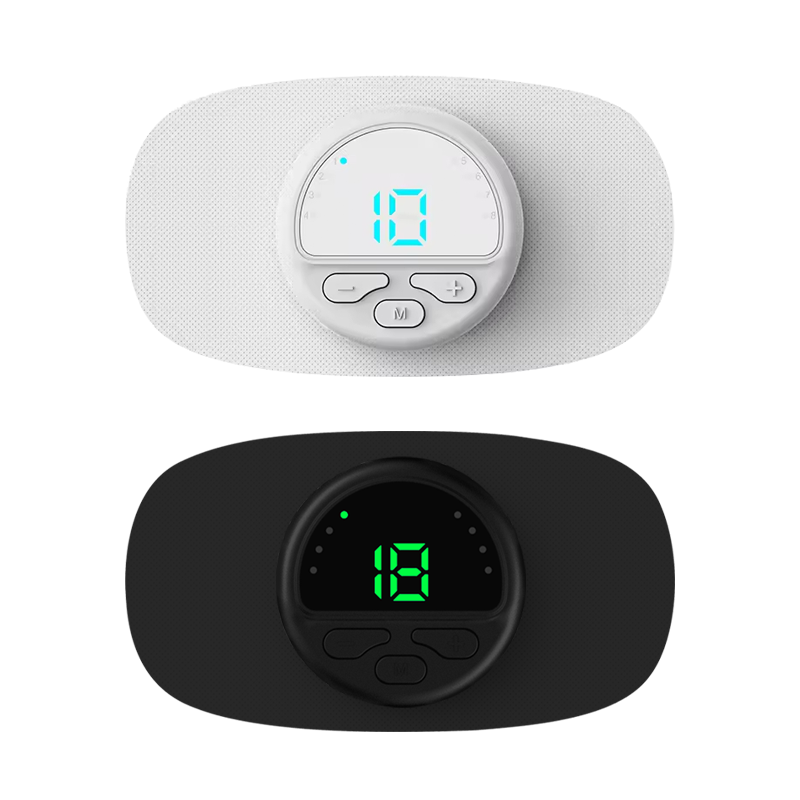
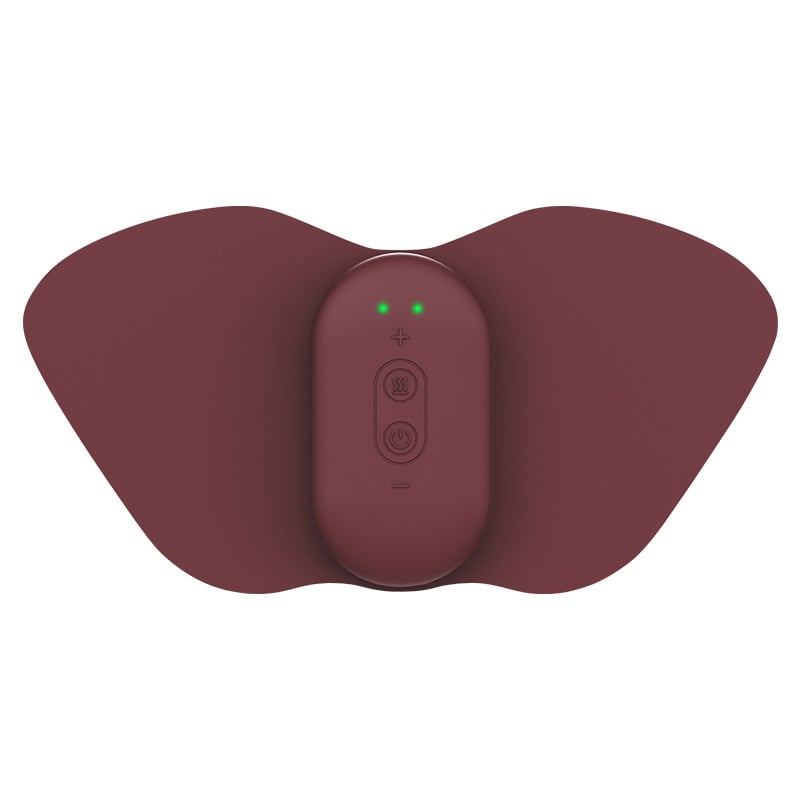
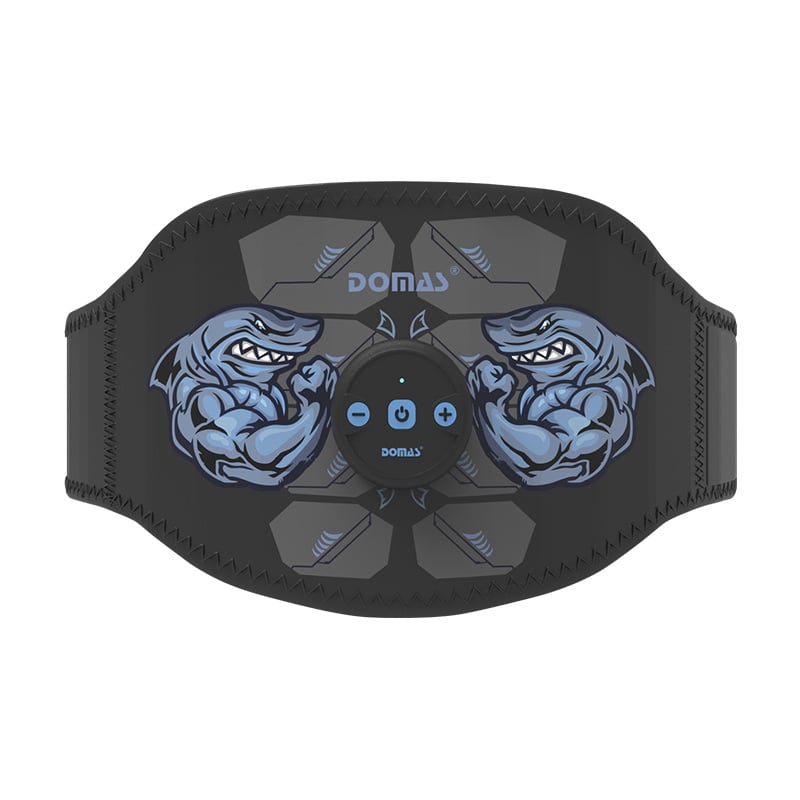
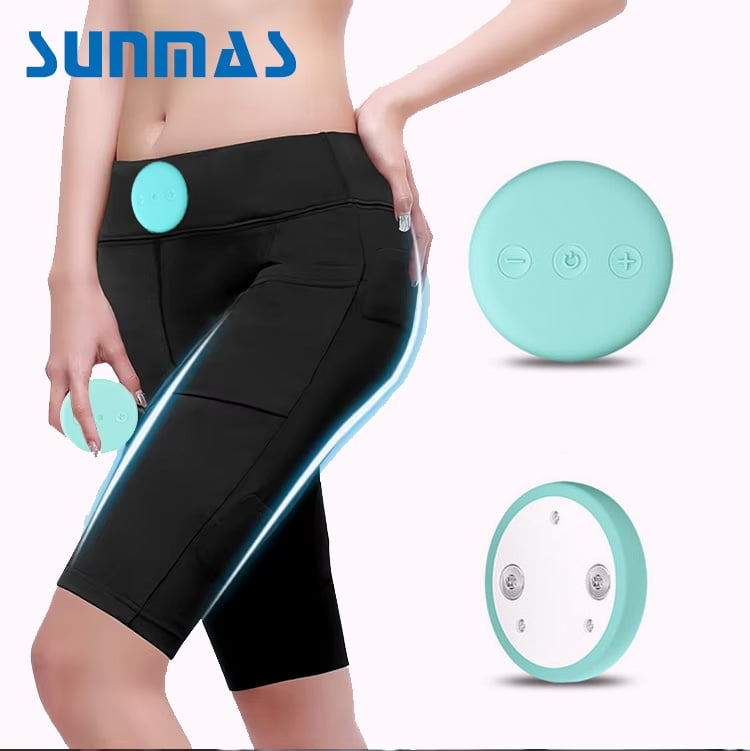
Private-Label Execution: Brands select from Hong Qiangxing's pre-cleared, certified portfolio of wireless TENS patches, menstrual relief nodes, or EMS abdominal stimulators. Modifications are restricted to cosmetic colorways, branding typography, and retail packaging, resulting in the absolute lowest capital expenditure and fastest possible Time-to-Market.
Deep-Customization ODM: Brands present unique functional parameters. Our engineering teams then synthesize bespoke wireless multi-node synchronization algorithms, customize specific mid-to-low frequency electrotherapy waveform outputs, and develop the underlying PCBA layouts, embedded firmware, proprietary injection tooling, and dedicated iOS/Android mobile software ecosystems under a unified development lifecycle.
4. Critical Commercial Benchmarks: Tooling Ownership, IP Allocation, and R&D Budgeting
To assist procurement officers and product directors in structuring risk-mitigated manufacturing agreements, the operational realities of asset and liability distribution across OEM and ODM models are categorized below:
|
Operational Dimension
|
OEM (Buyer-Owned Design)
|
Custom ODM (Factory Engineering)
|
Private Label ODM (Pre-Engineered Catalog)
|
|
Intellectual Property (IP)
|
Retained exclusively by the Brand Owner.
|
Negotiable. Typically joint ownership, or exclusive regional rights purchased via NRE fees.
|
Retained exclusively by the Factory (Hong Qiangxing).
|
|
Injection Tooling Ownership
|
Capitalized fully by the Brand; ownership vests entirely with the buyer ex-works.
|
Capitalized by the Brand, with exclusive manufacturing rights retained by the factory for a contractual duration or volume milestone.
|
Retained fully by the factory; zero tooling capitalization fees levied on the buyer.
|
|
Upfront R&D Expenditure
|
Minimal (Restricted to prototype iterations and DFM optimizations).
|
Substantial (Includes Non-Recurring Engineering [NRE] fees, firmware validation, and custom tooling).
|
Zero upfront development capitalization required.
|
|
Minimum Order Quantity (MOQ)
|
Typically elevated due to bespoke production line calibration and raw material batch sourcing.
|
Variable, scaling with the complexity of custom component specialization.
|
Highly flexible; optimized for fast-to-market testing and agile inventory scheduling.
|
Regardless of the operational vector your brand selects, Hong Qiangxing’s 20-year manufacturing heritage secures absolute compliance and quality uniformity. We operate with equal precision as a disciplined OEM executor translating your complex documentation into hardware, or as a forward-looking ODM innovation partner integrating advanced wireless electrotherapy into your brand ecosystem.
 ×
×
 Hot News


 EN
EN